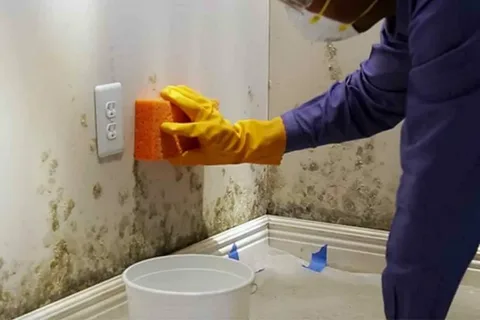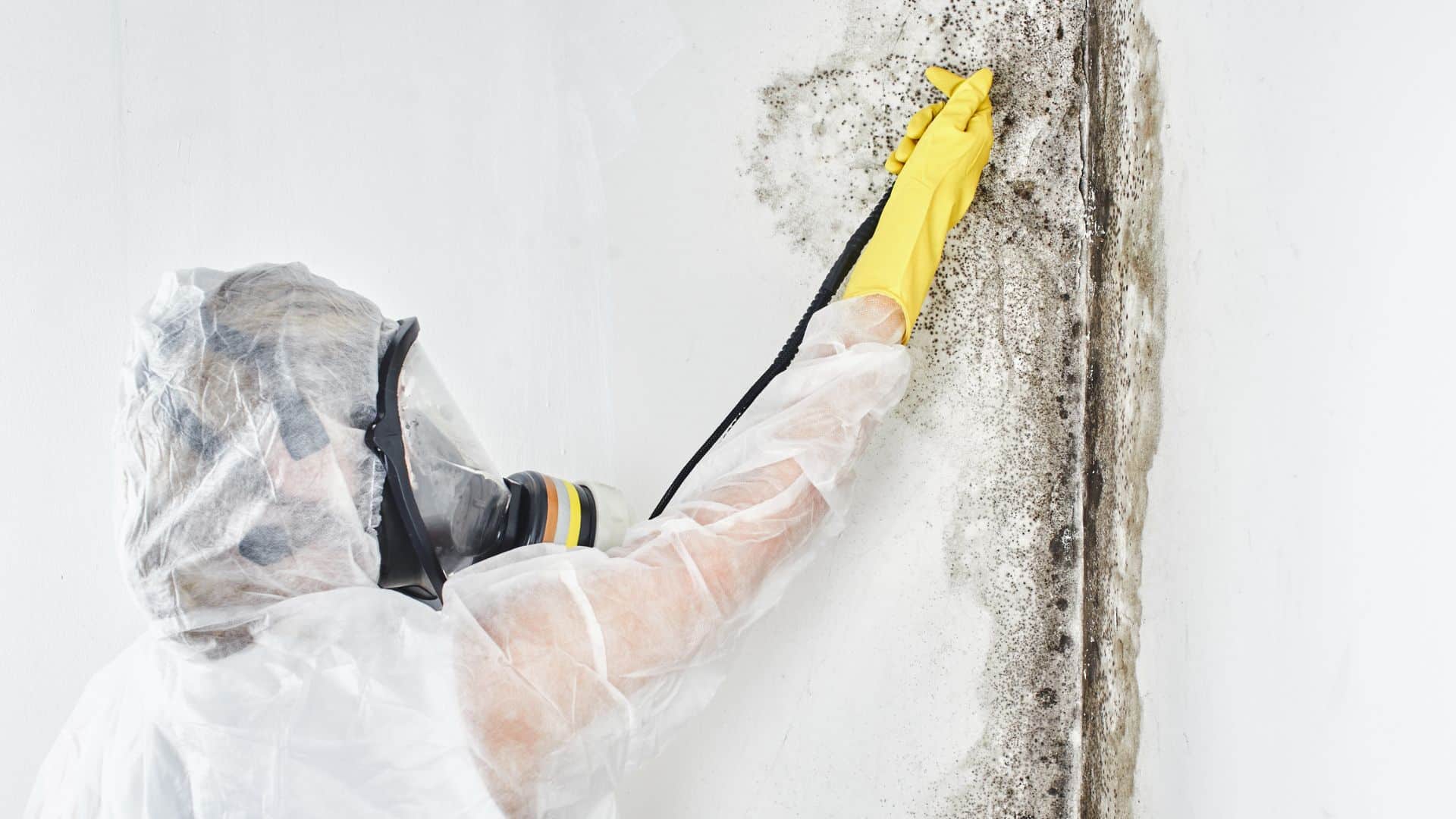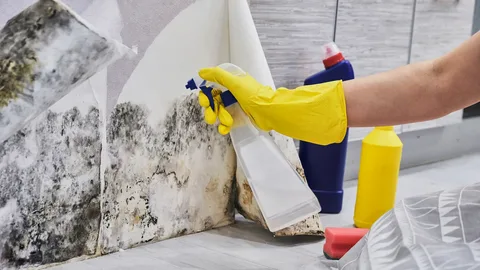
Mold removal is an essential service to ensure the health and safety of your home. The cost of mold removal can vary based on several factors such as the size of the affected area, the severity of the mold problem, and the location of the mold. In this article, we’ll break down the costs, factors that influence pricing, and provide helpful tips for understanding the expenses involved in mold removal.
Average Cost of Mold Removal
The average cost of mold removal typically ranges from $500 to $6,000, depending on the extent of the mold issue. For smaller areas (less than 10 square feet), the cost might be closer to $500 to $1,000. However, if the mold infestation covers a larger area or requires complex remediation processes, costs can rise significantly.
Small-Scale Mold Removal
For small mold problems, such as a bathroom or a small corner of a room, you can expect to pay between $500 and $1,500. This price generally covers inspection, testing, removal, and sometimes repair work. However, it’s important to consider the underlying causes of mold growth, such as leaks or moisture issues.
Medium-Scale Mold Removal
For areas between 10 to 100 square feet, the cost typically ranges from $1,500 to $3,000. This is common for mold in drywall, flooring, or ceilings that need to be removed and replaced. In some cases, the mold might have spread to hidden areas like wall cavities or ducts, which can increase the cost.
Large-Scale Mold Removal
If you have extensive mold growth covering large areas (100+ square feet), you might see costs between $3,000 and $6,000 or more. Extensive mold problems might require demolition, air filtration, dehumidification, and full-scale rebuilding of affected areas. This could also involve significant labor, material removal, and restoration.
Factors That Influence Mold Removal Costs
The cost of mold removal is not one-size-fits-all. Several factors influence the total cost, including:
1. Size of the Area Affected
The larger the affected area, the more expensive the removal. Mold found in larger spaces requires more labor, materials, and time. Removing mold from an entire basement or attic will cost more than just cleaning a small bathroom.
2. Type of Mold
Different types of mold require different methods of removal. Black mold (Stachybotrys chart arum), for example, is known for being particularly toxic, which may require extra precautions, special cleaning solutions, and protective equipment. As a result, it can raise the cost of removal.
3. Location of Mold
Mold that is located in difficult-to-reach places, like inside the walls or in the attic, will be more costly to remove. It might require the services of specialized contractors, additional equipment, and more labor.
4. Severity of the Infestation
The more extensive the mold growth, the higher the cost of removal. If mold has deeply penetrated materials like drywall, carpet, or insulation, it might need to be replaced, driving up the overall cost.
5. Repair and Restoration Needs
Once the mold has been removed, the affected area might need repairs. If drywall, flooring, or insulation has been damaged, it will increase the overall cost of the project. Additional restoration and rebuilding can add thousands of dollars to your final bill.
6. Inspection and Testing
Some mold removal companies offer testing and inspection as part of the service, while others charge extra for these services. Expect to pay an additional $200 to $800 for mold inspection and air quality testing. Testing helps to identify the type of mold and the extent of the infestation.
7. Geographic Location
Where you live plays a significant role in determining mold removal costs. Cities with a higher cost of living, such as New York or San Francisco, will likely have higher service fees compared to rural areas. Additionally, areas with high humidity or flooding risks (like Florida) may have more mold problems and more experienced professionals, which could increase costs.
DIY vs Professional Mold Removal
While some homeowners may attempt to tackle small mold issues on their own, professional mold removal is often the safest and most effective solution. Here’s a comparison:
DIY Mold Removal
- Cost: DIY mold removal is significantly cheaper, typically ranging from $50 to $500 for supplies like cleaning solutions, gloves, masks, and brushes.
- Risk: Without the proper equipment, mold spores can spread to other areas of the home, causing more issues. Additionally, if the mold problem is severe, DIY efforts may not fully address the root cause.
- Effectiveness: DIY methods might be effective for small, surface-level mold problems but may not be suitable for larger or hidden infestations.
Professional Mold Removal
- Cost: Professional mold remediation usually starts around $500 and can go up to several thousand dollars, depending on the severity of the issue.
- Risk: Professionals have the expertise, equipment, and knowledge to safely and effectively remove mold and prevent it from returning.
- Effectiveness: Experts ensure that all mold is removed, the underlying causes are addressed, and the affected areas are restored properly, often providing a long-term solution.
Additional Mold Removal Costs
1. Mold Prevention
After mold removal, you may want to invest in mold prevention measures. This can include installing a dehumidifier, improving ventilation, repairing leaks, or replacing insulation. The cost for these measures varies but could range from $100 to $2,000 depending on what’s needed.
2. Air Purification
Air purifiers may be recommended to help clear the air of mold spores. A good air purifier typically costs between $100 and $1,000.
3. Insurance Coverage
Many homeowner’s insurance policies cover mold removal costs if the mold is the result of a covered peril, such as a burst pipe. However, policies often have exclusions for mold or have specific requirements to cover the expense. Always check your policy to see if mold removal is covered.
How to Choose a Mold Removal Professional
Choosing the right mold removal company is crucial for a successful remediation process. Here are a few tips:
- Look for certified professionals: Ensure the company has experience and certification from organizations like the Institute of Inspection, Cleaning, and Restoration Certification (IICRC).
- Check reviews and references: Online reviews and word-of-mouth referrals can help you gauge the reliability of a mold removal service.
- Get multiple quotes: Don’t settle for the first quote. Get estimates from several companies to compare pricing, services, and timelines.
Conclusion
Mold removal costs can vary widely based on several factors, including the size of the area affected, the type of mold, and the severity of the damage. On average, homeowners can expect to pay anywhere from $500 to $6,000 for professional mold remediation. While DIY removal can be cheaper, professional services are recommended for larger infestations to ensure thorough and safe removal. Always get multiple quotes and check references before hiring a mold removal company to ensure you’re getting the best value for your money.
FAQs
1. How long does mold removal take?
Mold removal typically takes 1 to 5 days, depending on the severity of the infestation and the size of the area. Larger infestations or areas requiring extensive repairs may take longer.
2. Will my insurance cover mold removal costs?
It depends on your policy and the cause of the mold. Some homeowner’s insurance policies may cover mold removal if it was caused by a covered peril, such as water damage.
3. Can I remove the mold myself?
Small mold problems can sometimes be addressed with DIY methods, but for larger infestations or toxic mold, professional removal is recommended to ensure proper safety and effectiveness.
4. What’s the difference between mold remediation and mold removal?
Mold removal refers to the process of physically removing mold, while mold remediation is a broader term that includes removal, cleaning, and taking steps to prevent mold from returning.
5. How do I prevent mold from returning?
Prevent mold by controlling moisture levels, fixing leaks, improving ventilation, and using a dehumidifier. Regular inspections can also help catch potential problems before they become significant.