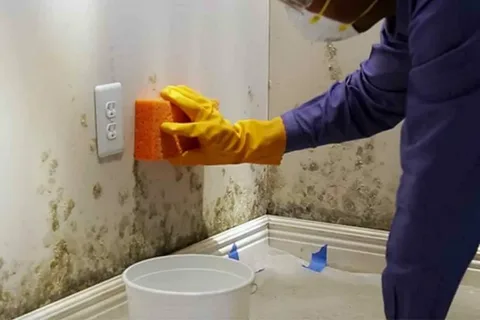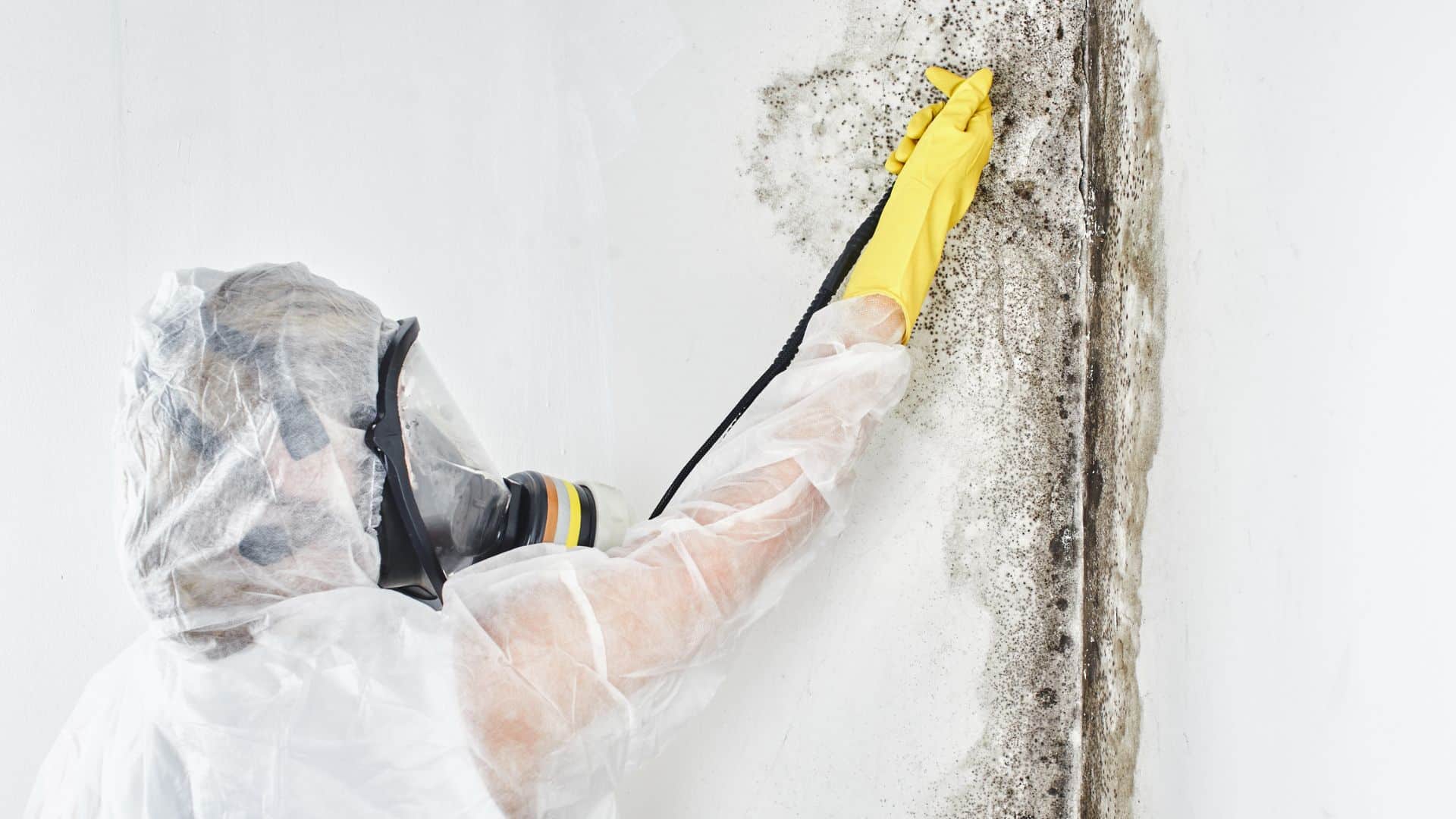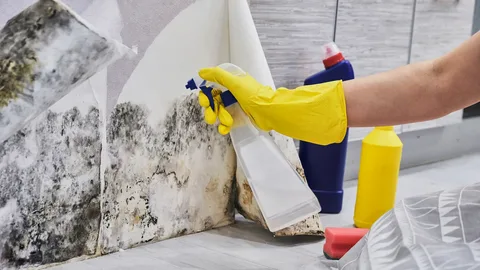
Mold is a silent intruder that can grow unnoticed in homes and commercial spaces, often causing serious health issues and structural damage. Whether it appears as dark spots on walls or hides behind surfaces, mold thrives in damp, humid environments and spreads quickly if not addressed. A professional mold testing service is the first step toward identifying, controlling, and eliminating this problem effectively.
What Is Mold Testing?
Mold testing is a detailed process used to detect the presence, type, and concentration of mold in an indoor environment. It involves inspecting visible areas, testing air quality, and collecting samples from surfaces or hidden spaces. These samples are then analyzed in a lab to determine whether mold levels are safe or harmful.
Unlike simple visual inspections, professional mold testing goes deeper. It identifies hidden mold growth in places like behind walls, under flooring, inside HVAC systems, and in basements or crawl spaces. This ensures no contamination goes unnoticed.
Why Mold Testing Is Important
Many people underestimate the risks associated with mold. However, mold exposure can lead to a variety of health problems, especially for children, elderly individuals, and those with respiratory conditions.
Common health issues linked to mold include:
- Allergies and skin irritation
- Chronic coughing or sneezing
- Asthma flare-ups
- Sinus congestion
- Eye and throat irritation
Beyond health concerns, mold can weaken building materials such as drywall, wood, and insulation. Over time, this can compromise the structural integrity of your property, leading to costly repairs.
Professional mold testing helps detect problems early, saving both your health and your investment.
Signs You May Need Mold Testing
Sometimes mold is obvious, but often it grows in hidden areas. Here are key signs that indicate you may need a mold testing service:
- A persistent musty odor
- Recent water damage or leaks
- Visible discoloration on walls or ceilings
- Increased allergy symptoms indoors
- High indoor humidity levels
- Past flooding incidents
Even if you don’t see mold, these warning signs suggest it could be present behind the scenes.
The Mold Testing Process
A professional mold testing service follows a structured approach to ensure accurate results:
1. Initial Inspection
Technicians assess the property to identify potential moisture sources and visible mold growth. They check areas like bathrooms, kitchens, basements, and HVAC systems.
2. Air Sampling
Air samples are collected to measure mold spores present in the indoor air. These samples help determine whether mold levels are higher than normal.
3. Surface Sampling
Swab or tape samples are taken from suspected areas. This helps identify the type of mold growing on surfaces.
4. Moisture Detection
Advanced tools like moisture meters and thermal imaging cameras are used to locate hidden damp areas where mold may develop.
5. Lab Analysis and Report
Samples are sent to a certified laboratory for analysis. Once results are available, you receive a detailed report outlining mold types, concentrations, and recommended actions.
Types of Mold Commonly Found
There are many types of mold, but some are more common in indoor environments:
- Aspergillus – Often found in air conditioning systems and damp walls
- Cladosporium – Grows on fabrics, wood, and carpets
- Penicillium – Common in water-damaged buildings
- Stachybotrys (Black Mold) – Known for its toxic properties and potential health risks
Identifying the type of mold is crucial, as different molds require different treatment methods.
Benefits of Professional Mold Testing
Hiring a professional mold testing service offers several advantages:
Accurate Detection
Professionals use advanced equipment and techniques to identify mold even in hidden areas.
Health Protection
Testing helps prevent long-term exposure to harmful mold spores.
Customized Solutions
Based on test results, you receive targeted recommendations for mold removal and prevention.
Peace of Mind
Knowing your indoor environment is safe allows you to live and work comfortably.
Property Value Protection
Early detection prevents damage that could reduce the value of your property.
Mold Testing vs. Mold Inspection
Many people confuse mold testing with mold inspection, but they are different services.
- Mold Inspection focuses on visually identifying mold and moisture issues.
- Mold Testing involves collecting and analyzing samples to confirm mold presence and type.
While inspection is helpful, testing provides scientific evidence and detailed insights, making it more reliable for serious concerns.
Preventing Mold Growth
After testing and remediation, prevention becomes essential. Here are simple steps to reduce mold growth:
- Keep indoor humidity below 50%
- Fix leaks and water damage immediately
- Use proper ventilation in kitchens and bathrooms
- Clean and maintain HVAC systems regularly
- Use dehumidifiers in damp areas
- Ensure proper drainage around your property
Regular maintenance and monitoring can significantly reduce the chances of mold returning.
When Should You Schedule Mold Testing?
It’s a good idea to schedule mold testing in the following situations:
- After water damage or flooding
- Before buying or selling a property
- When experiencing unexplained health issues
- If you notice unusual odors or stains
- During routine home maintenance checks
Timely testing helps address problems before they escalate.
Choosing the Right Mold Testing Service
Not all mold testing services are the same. When selecting a provider, consider the following:
- Experience and certification
- Use of advanced testing equipment
- Detailed reporting and transparency
- Positive customer reviews
- Clear pricing with no hidden costs
A reliable service provider will not only detect mold but also guide you on the next steps for remediation.
Final Thoughts
Mold is more than just an unsightly problem—it can impact your health, comfort, and property value. Ignoring it can lead to serious consequences over time. A professional mold testing service gives you a clear understanding of your indoor environment and helps you take the right steps toward a safer, healthier space.
Whether you suspect mold or simply want peace of mind, investing in mold testing is a smart decision. Early detection, accurate analysis, and proper prevention can save you from costly repairs and health risks in the future.