Mold is more than just an unpleasant stain on walls or ceilings. It can affect indoor air quality, damage property, and even create health concerns for your family or employees. Many property owners ignore small mold problems, hoping they will disappear on their own. Unfortunately, mold spreads quickly when moisture is present, turning a minor issue into a costly repair. Knowing when mold remediation is necessary can help you protect your home, health, and investment before the situation becomes severe.
What Is Mold Remediation?
Mold remediation is the professional process of identifying, containing, removing, and preventing mold growth inside a property. Unlike simple cleaning, remediation addresses the source of moisture and ensures mold spores do not continue spreading throughout the building.
Professional mold remediation may include:
- Mold inspection and testing
- Moisture detection
- Containment of affected areas
- Removal of contaminated materials
- Air filtration and purification
- Sanitization and prevention treatments
The goal is not only to remove visible mold but also to prevent future growth.
Common Causes of Mold Growth
Understanding what causes mold can help determine whether remediation is necessary. Mold thrives in moist and humid environments and often appears after water-related issues.
Common causes include:
- Roof leaks
- Plumbing leaks
- Flooding or water damage
- Poor ventilation
- High indoor humidity
- Condensation around windows or pipes
- Damp basements or crawl spaces
If any of these conditions exist in your property, there is a higher chance mold may develop.
Signs Mold Remediation Is Necessary
1. Visible Mold Growth
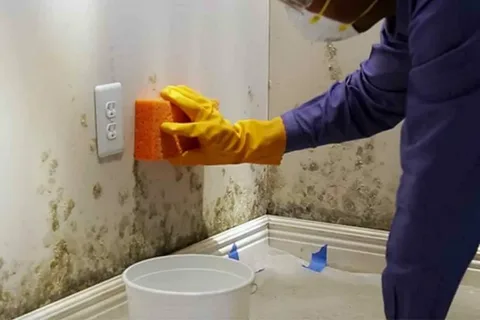
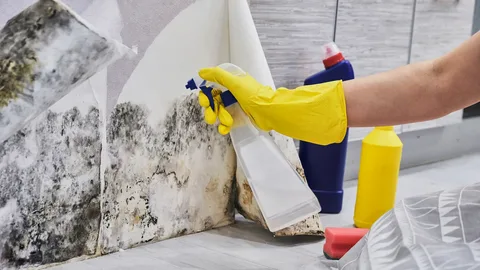
One of the clearest signs you need mold remediation is visible mold growth. Mold may appear black, green, white, yellow, or brown depending on the surface and type of mold.
Common places to check include:
- Bathroom walls and ceilings
- Around windows
- Under sinks
- Basements
- Attics
- HVAC systems
- Behind wallpaper or drywall
Even a small patch can indicate a larger hidden problem behind walls or flooring.
2. Persistent Musty Odors
A strong, earthy, or musty smell is often a warning sign of hidden mold. If you notice unpleasant odors that remain even after cleaning, mold may be growing behind walls, under carpets, or inside ventilation systems.
Persistent odors should never be ignored because mold can spread in hidden areas long before becoming visible.
3. Recent Water Damage
If your home or business recently experienced flooding, burst pipes, roof leaks, or water intrusion, mold remediation may be necessary. Mold can begin growing within 24 to 48 hours after moisture exposure.
Even if surfaces appear dry, moisture trapped inside walls or flooring can support mold growth. Professional inspections can detect hidden moisture before mold spreads further.
4. Health Symptoms Indoors
Mold exposure may trigger health symptoms, especially in people with allergies, asthma, or respiratory conditions.
Common symptoms include:
- Sneezing
- Coughing
- Nasal congestion
- Skin irritation
- Headaches
- Watery eyes
- Difficulty breathing
If symptoms improve when leaving the building, mold contamination may be the cause. Professional remediation can help restore healthier indoor air quality.
5. Peeling Paint or Warped Surfaces
Mold often develops in areas with excess moisture. Signs such as peeling paint, bubbling drywall, warped wood, or stained ceilings may indicate hidden water damage and mold growth.
These warning signs usually mean moisture problems have existed for a long period and should be professionally addressed.
6. Mold Keeps Returning
If mold continues to reappear after cleaning, the underlying issue has not been resolved. Surface cleaners may temporarily remove visible spots, but they do not eliminate hidden spores or moisture sources.
Recurring mold problems usually require professional remediation to completely stop the cycle.
7. Large Areas of Mold Growth
Small mold spots can sometimes be cleaned safely, but large infestations should always be handled by professionals. If mold covers more than 10 square feet, professional remediation is strongly recommended.
Large mold growth can spread airborne spores throughout the property during improper cleaning, making the situation worse.
Why DIY Mold Removal Is Not Always Enough
Many homeowners attempt to remove mold themselves using bleach or household cleaners. While this may work for minor surface mold, it is rarely effective for deeper contamination.
DIY cleaning may:
- Spread mold spores into the air
- Miss hidden mold behind walls
- Fail to address moisture sources
- Cause health risks without proper protective equipment
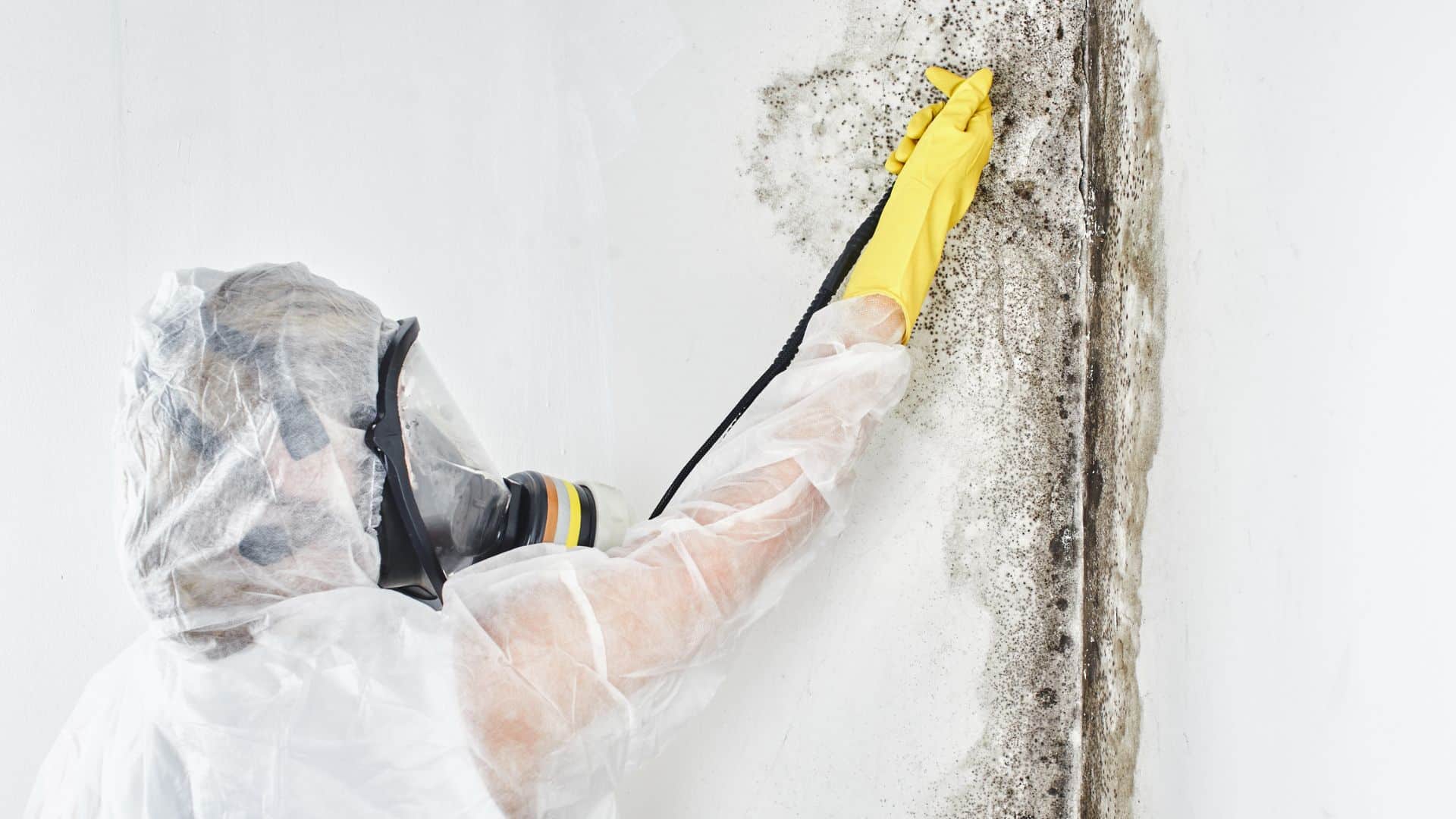
Professional remediation specialists use specialized equipment, containment methods, and air filtration systems to safely remove mold and prevent cross-contamination.
Areas Where Mold Commonly Hides
Mold is not always easy to detect. It often grows in hidden spaces where moisture accumulates unnoticed.
Common hidden mold locations include:
- Behind drywall
- Under carpeting
- Inside insulation
- HVAC ducts
- Crawl spaces
- Behind cabinets
- Around plumbing lines
Professional inspections use moisture meters and thermal imaging tools to locate hidden mold problems.
The Importance of Professional Mold Inspection
A professional mold inspection helps determine the extent of contamination and whether remediation is necessary. Experts can identify:
- Types of mold present
- Moisture sources
- Air quality concerns
- Structural damage
- Hidden mold growth
Early detection saves money and prevents serious property damage.
What Happens During Mold Remediation?
The remediation process usually involves several important steps:
Inspection and Assessment
Professionals inspect the property to identify mold growth, moisture sources, and affected materials.
Containment
The contaminated area is sealed to prevent mold spores from spreading to unaffected areas.
Air Filtration
Special HEPA filtration systems remove airborne mold spores and improve indoor air quality.
Mold Removal
Contaminated materials such as drywall, insulation, or carpeting may be removed if necessary.
Cleaning and Sanitization
Surfaces are thoroughly cleaned and treated to eliminate remaining mold spores.
Moisture Control
Professionals repair leaks, improve ventilation, and address humidity issues to prevent future mold growth.
When Should You Call a Mold Remediation Specialist?
You should contact a professional immediately if:
- Mold is spreading quickly
- Water damage recently occurred
- You notice health symptoms indoors
- Mold keeps returning after cleaning
- There is a strong musty odor
- The affected area is large
- Mold is hidden behind walls or ceilings
Prompt action prevents mold from causing additional structural damage and health risks.
How to Prevent Mold Problems
Prevention is the best way to avoid expensive remediation services in the future.
Helpful prevention tips include:
- Fix plumbing leaks quickly
- Improve ventilation in bathrooms and kitchens
- Use dehumidifiers in damp areas
- Clean gutters regularly
- Dry water damage immediately
- Monitor indoor humidity levels
- Inspect roofs and windows for leaks
Regular maintenance helps keep your property safe and mold-free.
Final Thoughts
Mold problems should never be ignored. What starts as a small patch of discoloration can quickly grow into a serious issue affecting your property and health. Visible mold, musty odors, water damage, and recurring growth are all signs that professional mold remediation may be necessary.
Acting early can save you time, money, and stress while protecting your indoor environment. If you suspect mold in your home or business, scheduling a professional inspection is the safest and most effective solution.