Mold is a common problem that can affect homes and businesses of all sizes. It thrives in damp, humid environments and can spread quickly if left untreated. Beyond causing unpleasant odors and unsightly stains, mold can also pose serious health risks. Understanding the importance of proper mold cleanup is essential for maintaining a safe and healthy living environment.
What Causes Mold Growth?
Mold spores are naturally present in the air, but they only become a problem when they find the right conditions to grow. Common causes of mold growth include:
- Water leaks from roofs, pipes, or appliances
- Flooding and water damage
- High indoor humidity levels
- Poor ventilation in bathrooms, kitchens, and basements
- Condensation on windows and walls
When moisture is present for more than 24–48 hours, mold can begin to develop and spread across surfaces such as drywall, wood, carpet, and insulation.
Signs You Need Mold Cleanup
Early detection is key to preventing extensive damage. Some common signs of mold include:
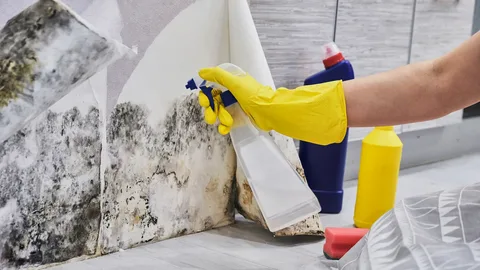
- Visible black, green, or white spots on walls, ceilings, or floors
- A persistent musty odor
- Peeling paint or wallpaper
- Water stains or discoloration
- Increased allergy symptoms, such as sneezing, coughing, or itchy eyes
If you notice any of these signs, it is important to address the issue promptly.
Health Risks Associated with Mold
Mold exposure can affect people differently depending on their sensitivity and the extent of exposure. Potential health effects include:
- Nasal congestion and sneezing
- Eye, skin, and throat irritation
- Worsening of asthma symptoms
- Respiratory infections
- Headaches and fatigue in some individuals
Children, elderly individuals, and people with compromised immune systems are often more vulnerable to mold-related health problems.
The Mold Cleanup Process
Effective mold cleanup involves more than simply wiping away visible growth. A thorough approach includes the following steps:
1. Inspection and Assessment
The first step is identifying the source of moisture and determining the extent of the mold problem. Professionals often use moisture meters and other specialized tools to detect hidden mold.
2. Containment
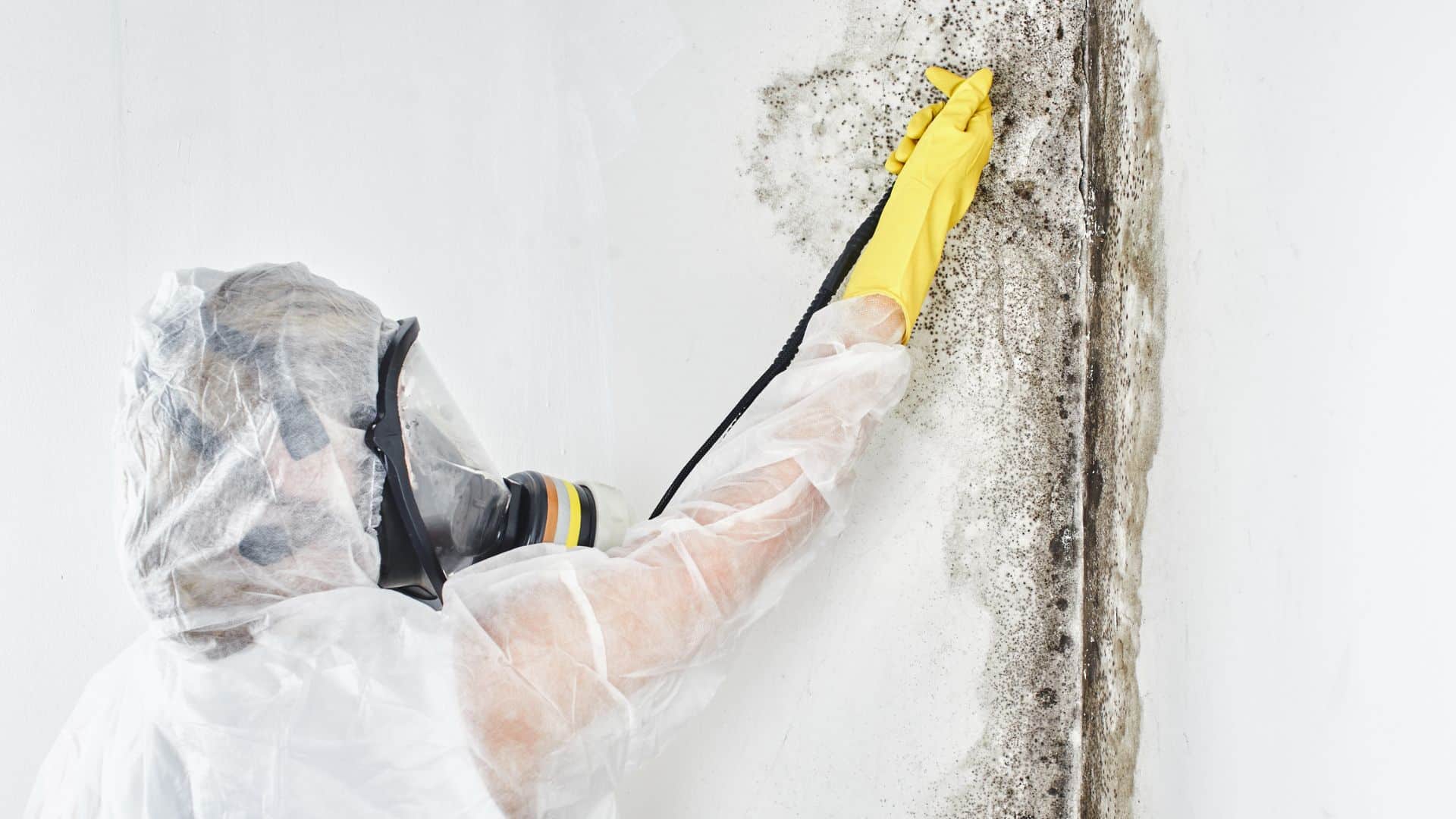
To prevent mold spores from spreading to other areas, affected spaces are sealed off using plastic sheeting and negative air pressure systems when necessary.
3. Removal of Contaminated Materials
Porous materials that are heavily affected, such as drywall, insulation, and carpeting, may need to be removed and discarded. Non-porous surfaces can often be cleaned and disinfected.
4. Cleaning and Disinfection
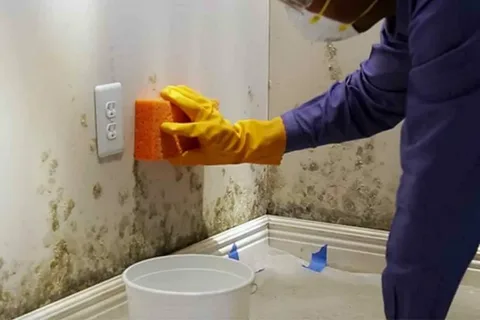
Specialized cleaning solutions are used to remove mold from surfaces. HEPA vacuums and air scrubbers may also be employed to capture airborne spores.
5. Drying the Area
Thorough drying is critical to prevent mold from returning. Dehumidifiers and fans are commonly used to reduce moisture levels.
6. Restoration
After cleanup is complete, damaged materials are repaired or replaced, restoring the property to its original condition.
DIY Mold Cleanup vs. Professional Services
Small mold patches (typically less than 10 square feet) can sometimes be cleaned by homeowners using proper safety precautions, including gloves, goggles, and an N95 mask. However, professional mold cleanup is recommended when:
- The affected area is large
- Mold is caused by sewage or contaminated water
- Mold is present in HVAC systems
- Individuals in the home have health conditions that may be aggravated by mold exposure
- The source of moisture is difficult to identify
Professional technicians have the training, equipment, and expertise to safely and effectively remove mold and prevent future growth.
Preventing Future Mold Growth
Prevention is the best defense against mold problems. Consider these tips:
- Fix leaks promptly.
- Keep indoor humidity below 50%.
- Use exhaust fans in bathrooms and kitchens.
- Ensure proper ventilation throughout the home.
- Clean and dry water-damaged areas within 24–48 hours.
- Regularly inspect basements, attics, and crawl spaces for signs of moisture.
Why Timely Mold Cleanup Matters
Delaying mold cleanup can lead to extensive structural damage and increased remediation costs. Mold can weaken building materials over time, compromise indoor air quality, and create ongoing health concerns for occupants. Acting quickly not only protects your property but also safeguards the well-being of everyone in the home.
Conclusion
Mold cleanup is an essential part of maintaining a healthy and safe property. Whether caused by a minor leak or significant water damage, mold should never be ignored. By understanding the causes, recognizing the signs, and taking prompt action, homeowners can effectively address mold problems and prevent them from returning. For extensive infestations, professional mold cleanup services provide the most reliable solution, ensuring thorough remediation and long-term peace of mind.