Mold is a common issue in many homes, but it’s often overlooked until it becomes a major problem. Mold growth can cause significant damage to your property and pose serious health risks. This is why mold remediation is so crucial. In this article, we’ll explore the importance of mold remediation and the various benefits it offers for your home.
What is Mold Remediation?
Mold remediation refers to the process of identifying, cleaning, and removing mold from a home or building. This process involves not only removing the visible mold but also addressing the underlying cause of the mold growth to prevent future infestations.
The Dangers of Mold
Health Risks
Mold can cause a variety of health issues, particularly for individuals with allergies, asthma, or weakened immune systems. The mold spores can trigger respiratory problems, skin irritations, and other allergic reactions. In severe cases, mold exposure can lead to chronic illnesses, particularly if the mold problem is left untreated.
Property Damage
Mold can quickly spread and cause extensive damage to the structure of your home. It can weaken wood, drywall, and other materials, leading to costly repairs. The longer the mold is left untreated, the more damage it can cause.
Unpleasant Odors
Mold often produces a musty odor that can permeate throughout your home. This unpleasant smell can be difficult to remove, and it is often a sign that mold growth is present in hidden areas.
Why Mold Remediation is Essential
1. Health Protection
The primary reason to invest in mold remediation is to protect the health of your family. Mold can release harmful spores into the air that can cause severe respiratory problems, especially in people with allergies or asthma. Mold remediation eliminates these spores, reducing the risks of health issues.
2. Prevent Further Damage
If mold is not removed promptly, it can spread rapidly, causing more damage to your home. Mold thrives in damp environments, and untreated mold problems can weaken the structure of your property, leading to expensive repairs. Remediation helps to stop mold growth before it causes further damage.
3. Improve Indoor Air Quality
Mold negatively impacts the air quality in your home. The spores released by mold can cause breathing problems and reduce the overall air quality. Through mold remediation, you can restore healthy air quality and create a safer living environment.
4. Protect Your Property’s Value
Mold damage can significantly decrease the value of your home. If mold is detected by potential buyers, they may be deterred from purchasing the property, or they may offer a much lower price. Remediating mold ensures that your home remains valuable and attractive to buyers.
5. Prevent Recurrence
Mold remediation doesn’t just remove visible mold – it addresses the root cause of the problem. Professionals can find the source of moisture that’s fueling the mold growth, such as leaks or poor ventilation. By fixing these issues, they can prevent mold from returning in the future.
The Mold Remediation Process
Inspection and Assessment
The first step in mold remediation is identifying the extent of the mold problem. A professional will inspect your home for signs of mold growth and assess the areas that are affected. This may include checking behind walls, under carpets, or in the attic.
Containment
Once mold is identified, the next step is to contain it to prevent it from spreading to other areas of the home. This may involve sealing off affected rooms with plastic sheeting and using air filtration devices to capture spores.
Mold Removal
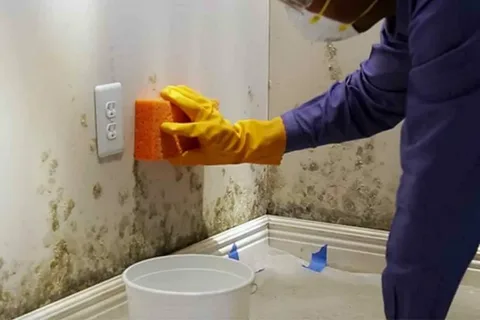
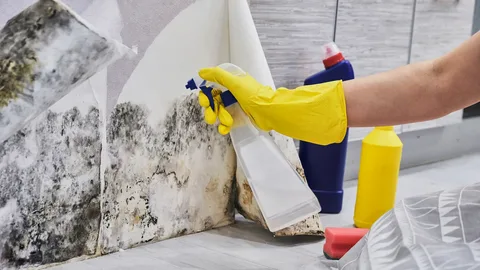
After containment, the remediation team will begin removing the mold. This involves cleaning and disinfecting surfaces, and in some cases, removing and replacing materials that have been severely damaged, such as drywall or insulation.
Drying and Dehumidifying
Mold thrives in damp environments, so it’s essential to dry the affected area thoroughly. Dehumidifiers are often used to remove excess moisture from the air and prevent future mold growth.
Restoration
Once the mold has been removed and the area is dry, any damaged materials are replaced, and the space is restored to its original condition. This may involve repairing walls, ceilings, or floors that were affected by mold.
Signs You Need Mold Remediation
It’s not always easy to detect mold in your home, as it often grows in hidden spaces. However, there are several signs you can look out for:
- Visible Mold: If you see mold growing on walls, ceilings, or other surfaces, it’s a clear indication that remediation is necessary.
- Musty Odor: A persistent musty smell in your home is often a sign of hidden mold growth.
- Water Damage: If you’ve experienced water damage from leaks or flooding, mold growth is likely to follow.
- Health Symptoms: If you or your family members experience unexplained allergies, respiratory problems, or skin irritations, mold could be the culprit.
DIY Mold Removal vs. Professional Mold Remediation
While it may be tempting to try removing mold on your own, there are several reasons why professional remediation is usually the better choice:
- Thoroughness: Professionals have the tools and expertise to detect and remove mold from hidden areas, ensuring that it is completely eradicated.
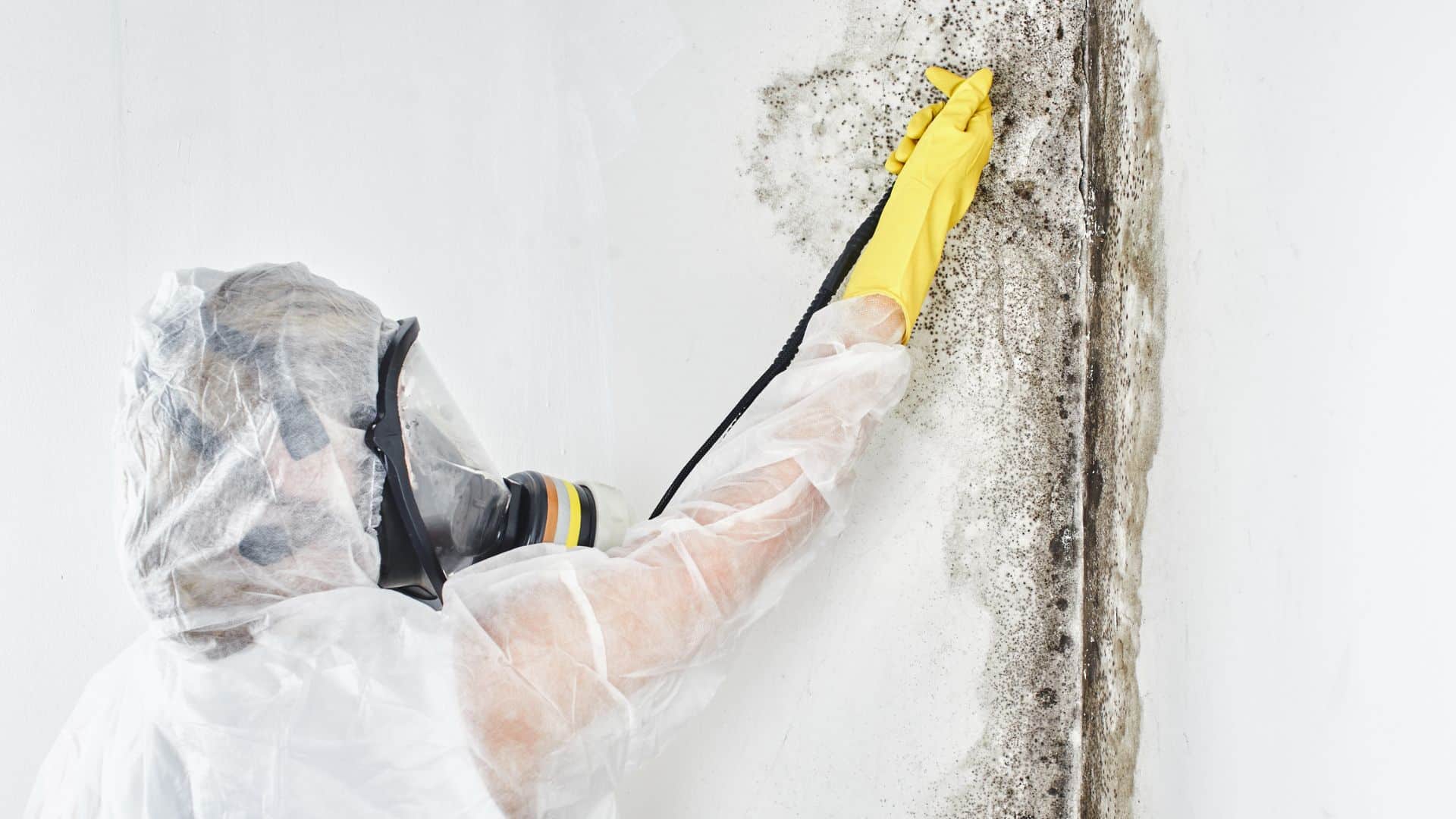
- Safety: Mold can be hazardous, and without the proper protective equipment, you may expose yourself to harmful spores. Professionals take the necessary precautions to protect themselves and your family.
- Prevention: A professional mold remediation company will not only remove the mold but also address the underlying moisture issues to prevent future growth.
Conclusion
Mold remediation is essential for maintaining a healthy and safe home. It protects the health of your family, prevents further damage to your property, improves indoor air quality, and safeguards your home’s value. By addressing mold issues early and professionally, you can ensure a clean, healthy living environment.
FAQs
1. How do I know if I have mold in my home?
Common signs of mold include visible growth on walls, ceilings, or furniture, a musty odor, and symptoms like coughing, sneezing, or skin irritation. If you suspect mold, it’s best to have a professional inspect your home.
2. Is mold removal covered by insurance?
In some cases, mold remediation may be covered by homeowners insurance, particularly if the mold is a result of water damage from a covered event, such as a burst pipe. However, policies vary, so it’s important to check with your insurance provider.
3. Can I remove mold myself?
While small amounts of mold can sometimes be cleaned with household cleaners, extensive mold growth requires professional remediation. Professionals have the expertise and equipment to safely and thoroughly remove mold.
4. How long does mold remediation take?
The time required for mold remediation depends on the severity of the problem. Small areas of mold may be removed in a few hours, while more extensive mold infestations could take several days.
5. Can mold return after remediation?
If the root cause of the moisture problem is addressed, mold should not return. However, if moisture issues are not resolved, mold can regrow. It’s important to ensure proper ventilation and address any leaks to prevent recurrence.