Mold is one of those problems that many homeowners ignore until it becomes difficult to manage. A small dark spot on the wall or a musty smell may not seem like a major concern, but these can be early signs of a larger moisture and mold problem. Once mold begins growing, it can spread across walls, ceilings, flooring, furniture, and other areas of a property.
Professional mold removal helps homeowners identify where mold is growing, determine what is causing it, and properly clean or remove affected materials. Whether your property has experienced water damage, a plumbing leak, flooding, or ongoing humidity problems, dealing with mold quickly can help protect your home.
What Is Mold and Why Does It Grow?
Mold is a type of fungus that can grow in damp and humid environments. It can develop on many different surfaces, including drywall, wood, carpet, insulation, ceilings, and fabrics.
Mold does not need a major flood to appear. A small plumbing leak, condensation around windows, or poor ventilation in a bathroom can create enough moisture for mold to grow.
Some common causes of mold include:
- Water leaks
- Flooding and water damage
- High indoor humidity
- Poor bathroom ventilation
- Roof leaks
- Leaking pipes
- Damp basements
- Wet carpets
- Condensation
- Poor drainage around the property
The most important thing to remember is that mold needs moisture. If the moisture problem is not corrected, mold can continue to return even after the visible growth has been cleaned.
Common Signs of Mold in a Property
Mold is not always easy to see. Sometimes it grows behind walls, under flooring, inside cabinets, or in other hidden spaces. Knowing the warning signs can help you take action before the problem becomes more serious.
A strong musty smell is one of the most common signs. You may also notice black, green, white, brown, or gray spots on walls and ceilings. Peeling paint, discoloration, warped flooring, or damp areas can also indicate a moisture problem.
If you recently experienced flooding or water damage and notice a musty odor afterward, it is a good idea to have the area inspected.
Why You Should Not Ignore Mold
Ignoring mold does not make the problem disappear. In many cases, mold can continue growing as long as moisture remains present.
A small area can become a much larger problem when the underlying water issue is not repaired. Mold can also affect building materials, leading to stains, unpleasant odors, damaged drywall, and deterioration of other materials.
Trying to cover mold with paint or simply wiping the surface may only hide the visible signs temporarily. Proper mold removal focuses on the actual source of the problem instead of simply covering it.
How Professional Mold Removal Works
Professional mold removal is usually completed through a step-by-step process. The first step is identifying where the mold is located and determining why it is growing.
Property Inspection
A professional can inspect visible areas and look for signs of hidden moisture or mold. This helps determine the extent of the problem and what type of treatment may be needed.
Finding the Moisture Source
Mold cannot be properly controlled without addressing the moisture behind it. Professionals may identify leaking pipes, roof problems, condensation, flooding, or ventilation issues that are contributing to mold growth.
Containing the Affected Area
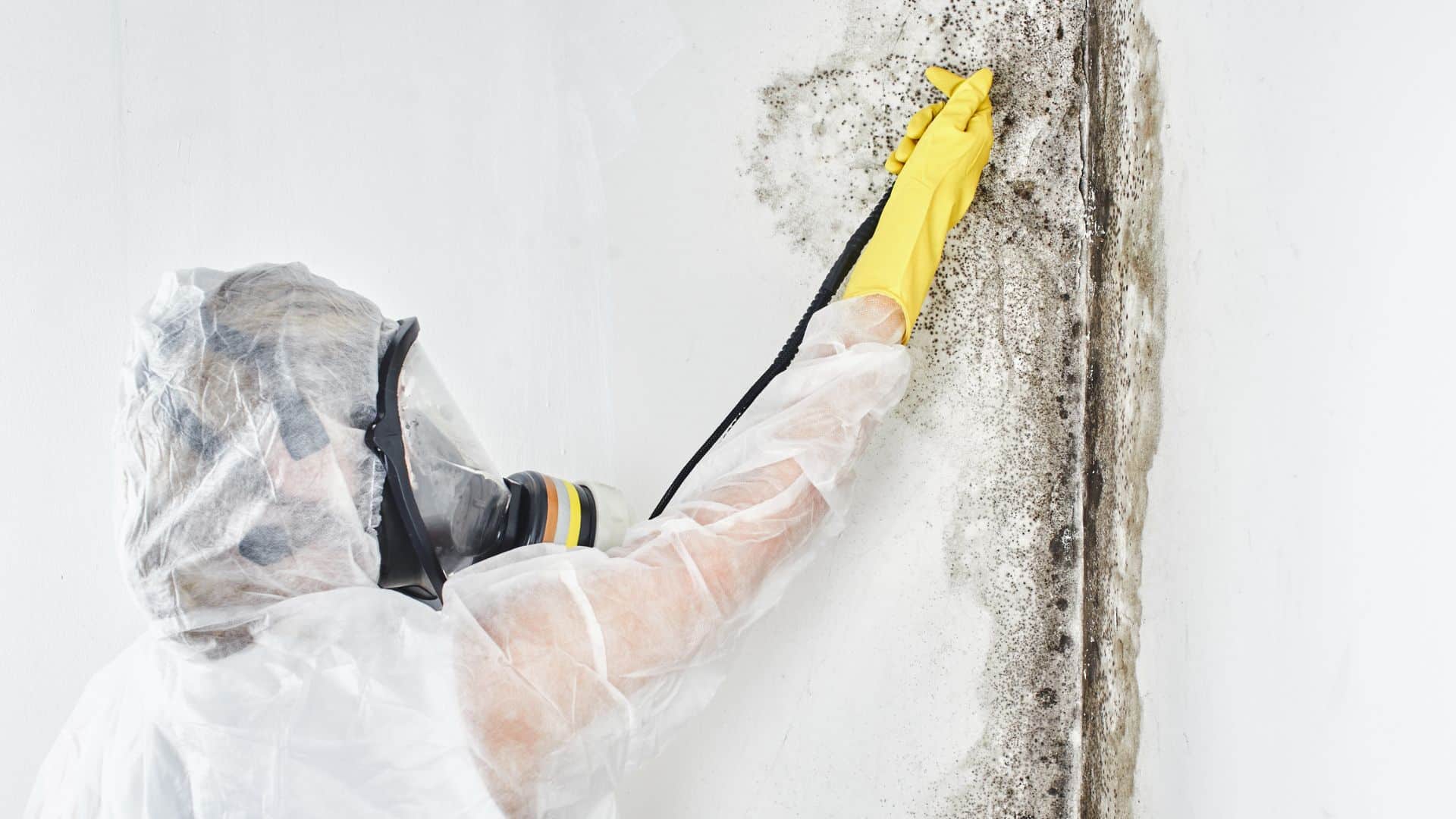
Depending on the size and location of the mold problem, the affected area may need to be contained during the removal process. This helps limit the spread of mold particles to unaffected areas.
Cleaning and Removing Mold
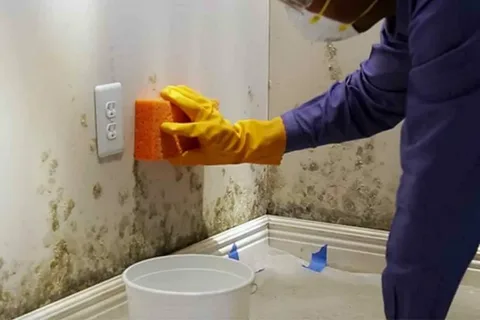
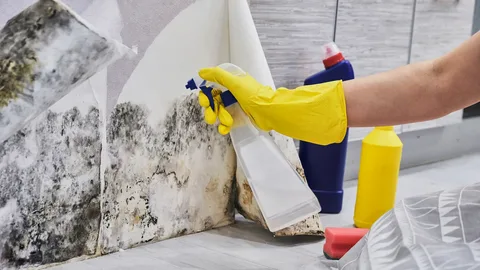
Affected surfaces are cleaned using suitable methods and equipment. Materials that are heavily damaged or cannot be effectively cleaned may need to be removed and replaced.
Drying and Prevention
After the mold has been addressed, the area should be properly dried. Moisture-control measures can then be recommended to help reduce the chance of future mold growth.
Can You Remove Mold Yourself?
Small surface mold may sometimes be cleaned by a homeowner, but larger or recurring problems can be more difficult. If mold covers a large area, keeps coming back, is associated with significant water damage, or appears to be growing inside walls or other hidden spaces, professional assistance is a better option.
Professional mold removal can also help identify problems that may not be obvious during a simple DIY cleaning job.
How to Prevent Mold Growth
Once mold has been removed, prevention is important. Keeping your property dry is one of the best ways to reduce the conditions mold needs to grow.
Check your home regularly for plumbing and roof leaks. Use bathroom and kitchen exhaust fans to remove excess moisture. Consider using a dehumidifier in damp areas such as basements. Clean up water spills quickly and dry wet carpets, flooring, and other materials as soon as possible.
It is also helpful to check around windows, doors, pipes, and HVAC systems for condensation or moisture.
When Should You Call a Mold Removal Professional?
You should consider professional mold removal if you notice widespread mold, recurring growth, strong musty odors, or visible signs of water damage. Professional help is especially useful when you cannot determine where the moisture is coming from.
Addressing the issue early can make the removal process easier and may help prevent further property damage.
Get Reliable Mold Removal for Your Property
Mold can turn a small moisture problem into a much bigger property issue if it is ignored. Cleaning visible mold is only part of the solution. The moisture source must also be identified and corrected to help prevent the problem from returning.
If you have noticed mold, musty odors, water damage, or recurring dampness in your home or business, consider contacting a professional mold removal service. A proper inspection and treatment plan can help you address the problem and keep your property cleaner, drier, and better protected for the future.