Mold remediation is an essential service for homeowners who experience mold growth in their homes. Mold can cause severe health issues, including respiratory problems, allergies, and skin irritation, which makes prompt removal a priority. However, the cost of mold remediation can vary significantly depending on several factors such as the size of the affected area, the type of mold, and the level of contamination. This comprehensive guide will walk you through the different cost factors, provide insights into the pricing, and help you understand how to approach mold remediation for your home.
What Is Mold Remediation?
Mold remediation refers to the process of removing mold and mold spores from an indoor environment. The goal is to eliminate the mold colonies, prevent their spread, and ensure that the home is safe and free from health risks. Remediation involves more than just cleaning mold off surfaces. It includes identifying the cause of moisture (the main contributor to mold growth), removing contaminated materials, cleaning the air, and preventing future mold outbreaks.
Average Cost of Mold Remediation
The cost of mold remediation typically depends on several variables. On average, homeowners can expect to pay anywhere between $500 and $6,000, with most projects falling somewhere in between. The overall cost of mold removal and repair will vary based on factors like the type of mold, the affected area, and the severity of the mold problem. Here’s a breakdown of the costs based on different factors:
1. Small Jobs (Less Than 10 Square Feet)
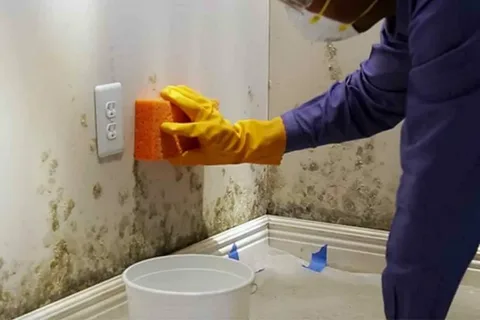
For mold infestations that are relatively small—under 10 square feet—the remediation process is usually simple and quick. These kinds of mold issues can often be addressed for around $500 to $1,500. Small mold patches may appear in bathrooms, kitchens, or basement walls, and can generally be cleaned up with specialized cleaning solutions and surface treatments.
2. Medium Jobs (10 to 100 Square Feet)
For medium-sized mold infestations, where mold has spread over a larger area (10 to 100 square feet), homeowners can expect to pay between $1,500 and $3,000. This range accounts for the increased work required to clean larger areas, possibly including the use of air scrubbers and dehumidifiers, as well as replacing or repairing some materials like drywall or insulation.
3. Large Jobs (Over 100 Square Feet)
If the mold problem has spread significantly—covering more than 100 square feet of the basement, attic, or walls—you may be looking at a remediation cost between $3,000 and $6,000 or higher. Mold that has spread throughout the home, inside walls, under flooring, or within the HVAC system, can require significant work and specialized equipment, making these projects more expensive.
4. Extreme Cases
In extreme cases, such as large infestations or those involving toxic mold (e.g., black mold), the remediation costs can exceed $10,000. This price range would include extensive damage repair, replacement of structural materials, full containment, and air quality treatments.
Factors Affecting Mold Remediation Costs
Several factors influence the cost of mold remediation. Understanding these factors can help you budget for the project and plan accordingly.
1. Size of the Affected Area
The larger the area impacted by mold, the more time, labor, and materials are needed for the remediation process. Small isolated mold issues, such as those on bathroom tiles or under sinks, can be removed quickly. However, extensive mold growth in basements, walls, or crawl spaces will require additional effort to address.
2. Type of Mold
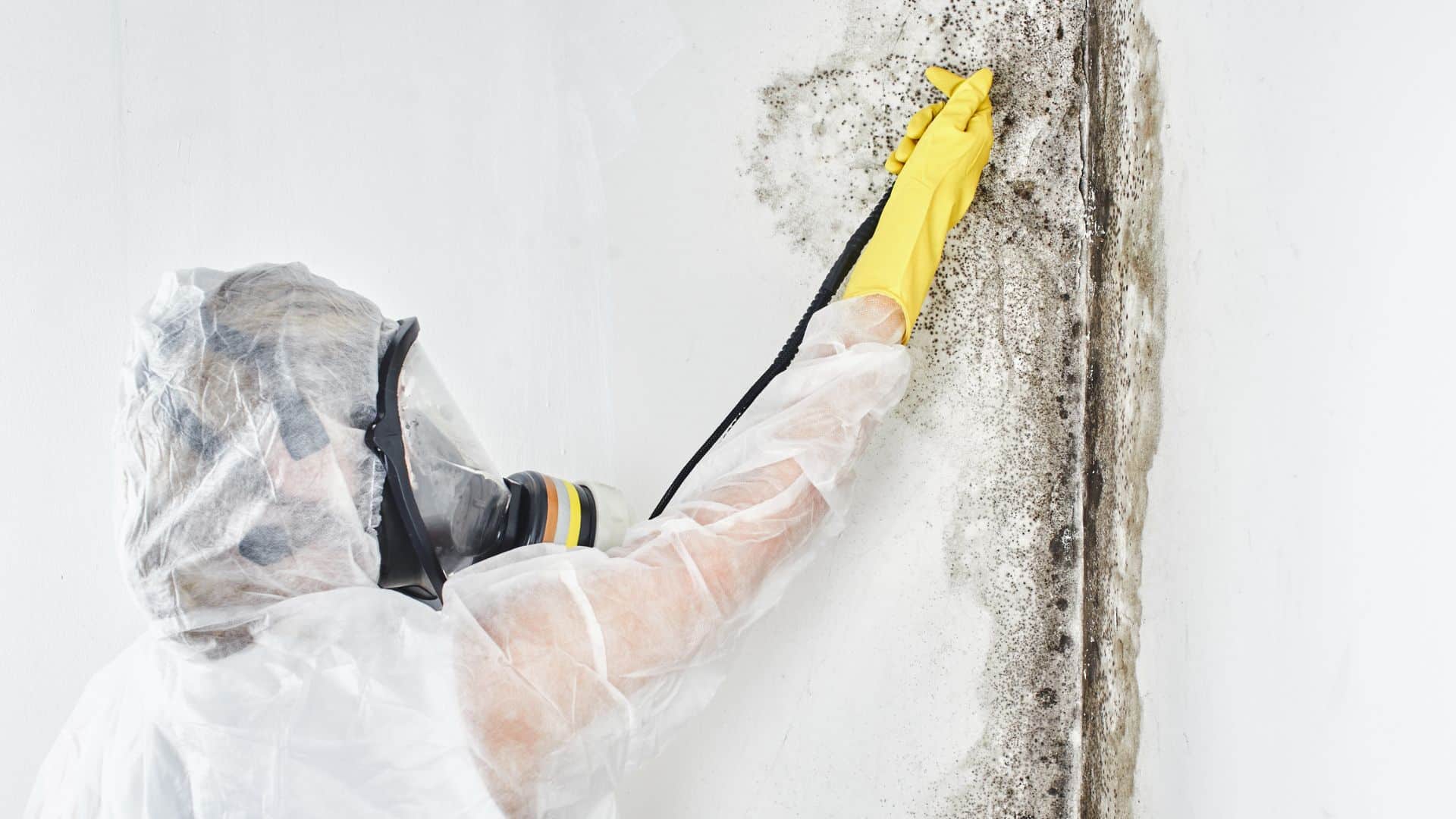
Different types of mold require different levels of attention and expertise. For example, black mold (Stachybotrys chartarum) is a particularly toxic form of mold that can cause serious health problems. Mold remediation involving black mold typically costs more because it requires specialized protective equipment, disposal procedures, and thorough cleaning to ensure it doesn’t return. Other types of mold, like aspergillus or penicillium, are less dangerous but still need careful remediation.
3. Extent of the Infestation
The extent of mold growth influences both the difficulty and duration of the remediation process. Mold that has spread behind drywall or under flooring may be more challenging to remove and may require demolition or significant repairs. Mold that has permeated HVAC systems or insulation may require extensive cleaning and replacement.
4. Location of the Mold
The location of the mold is another key factor. Mold in hard-to-reach places, such as in the attic or beneath floors, may require special tools or equipment to access and remove. If mold is found inside walls or ceilings, the contractor may need to remove drywall or paneling, which can add to the cost.
5. Cause of the Mold Growth
Addressing the root cause of the mold is crucial for preventing future mold problems. Mold typically grows due to a moisture problem, such as leaks, poor ventilation, or flooding. If the moisture issue isn’t fixed, the mold will likely return. Repairing plumbing leaks, fixing the foundation, or improving drainage will add to the overall cost of the remediation process.
6. Necessary Repairs and Restoration
In some cases, mold remediation may involve structural repairs or restoration, especially if mold has caused damage to wood, drywall, or insulation. The need to replace or restore materials in addition to remediation will increase the overall cost of the project. For example, if mold has damaged drywall, it may need to be cut out and replaced.
Additional Costs Associated with Mold Remediation
Aside from the direct cost of mold removal, there are other associated costs to consider:
1. Mold Inspection
Before remediation begins, an inspection is often required to determine the severity of the mold problem. Mold inspections typically cost $300 to $600. Some companies offer free inspections as part of their service, but others may charge a fee. Inspections are especially important for large homes, basements, or areas with suspected hidden mold.
2. Air Quality Testing
After mold removal, air quality testing is often recommended to ensure that all mold spores have been removed from the air. This testing costs between $200 and $400 and helps ensure that your home is safe to re-enter. The testing can also be useful in confirming that mold has been completely eliminated and that no hidden mold remains.
3. Structural Repairs and Restoration
If mold has caused significant damage to your home’s structure, repairs may be necessary. This can include replacing drywall, insulation, flooring, or even beams and framing. The cost of these repairs will depend on the extent of the damage and the materials required, and it can range anywhere from $500 to $3,000 or more.
4. Preventive Measures
Some homeowners choose to invest in preventive measures to avoid mold growth in the future. This can include installing a dehumidifier, repairing leaks, or adding moisture barriers. These preventive measures can add $200 to $2,000 to the overall cost of the project.
DIY Mold Remediation vs. Professional Mold Remediation
While some homeowners may choose to tackle small mold problems on their own, professional mold remediation is often recommended for larger infestations or when the mold is in hard-to-reach areas. DIY mold removal kits can be used for small surface issues, but they may not be effective for serious mold problems or hidden growth.
Professional Mold Remediation
Professional mold remediation companies have the necessary tools, training, and safety equipment to handle mold removal in large areas. They will also assess the cause of the moisture, treat the area for mold, and help with any necessary repairs. Professional remediation typically ensures that the mold is fully removed and that the risk of regrowth is minimized.
DIY Mold Remediation
DIY mold removal is suitable for minor infestations. For small areas (less than 10 square feet), you can use over-the-counter mold cleaners, bleach, and a scrub brush to clean surfaces. However, large-scale infestations or toxic mold growth should be handled by professionals to avoid health risks and ensure the mold is effectively eradicated.
Conclusion
Mold remediation is essential for maintaining a healthy living environment, especially when dealing with mold infestations. Costs vary depending on factors such as the size of the affected area, the type of mold, the extent of the damage, and whether professional help is needed. On average, remediation can cost anywhere from $500 to $6,000, but larger infestations or toxic mold may exceed **$10,
FAQs
1. Does insurance cover mold remediation?
Some homeowner’s insurance policies cover mold remediation if the mold is the result of a covered peril, such as a burst pipe or flooding. However, insurance usually does not cover mold caused by neglect or lack of maintenance.
2. How can I prevent mold from coming back after remediation?
To prevent mold from returning, address the source of moisture (leaks, humidity, etc.) and ensure proper ventilation in areas like bathrooms, kitchens, and basements. Consider installing a dehumidifier or improving drainage around your home’s foundation.
3. How long does mold remediation take?
The time required for mold remediation depends on the size of the affected area and the severity of the infestation. Small jobs may take just one or two days, while larger projects could take a week or more.
4. Can mold remediation be done in winter?
Yes, mold remediation can be done in the winter, although cold temperatures may affect some aspects of the process, such as drying out moisture or ventilation.
5. How can I tell if I have mold in my home?
Signs of mold include a musty odor, visible mold growth on walls or ceilings, or unexplained water damage. You may also notice health symptoms like allergies, coughing, or skin irritation, which could indicate the presence of mold.