Mold can become a serious problem in homes and commercial properties when moisture is present for an extended period. It can grow on walls, ceilings, floors, insulation, drywall, and other materials. While small amounts of surface mold may appear easy to clean, hidden or widespread growth often requires professional attention. Proper mold cleanup helps remove existing mold, address moisture-related problems, and reduce the chance of mold returning.
What Is Mold Cleanup?
Mold cleanup is the process of identifying, containing, removing, and cleaning mold-affected areas. Professional cleanup focuses not only on visible mold but also on possible hidden growth and the moisture source that allowed it to develop.
Common causes of mold growth include leaking pipes, roof leaks, plumbing problems, flooding, high indoor humidity, poor ventilation, and water-damaged building materials. If these problems are not addressed, mold can continue to grow even after the visible area has been cleaned.
Common Signs of Mold Growth
Mold is not always immediately visible. Some signs may indicate that a property has a mold problem. Common warning signs include:
- Musty or damp odors
- Dark, green, white, or gray spots on surfaces
- Discoloration around windows or ceilings
- Water stains on walls or drywall
- Peeling paint or wallpaper
- Damp carpets or flooring
- Previous flooding or water damage
- Persistent moisture or condensation
A musty smell can sometimes indicate mold growing behind walls, under flooring, inside cabinets, or in other difficult-to-see areas.
Why Professional Mold Cleanup Matters
Attempting to remove mold without addressing the underlying moisture problem may only provide a temporary solution. Disturbing mold-contaminated materials can also spread spores to other areas of the property.
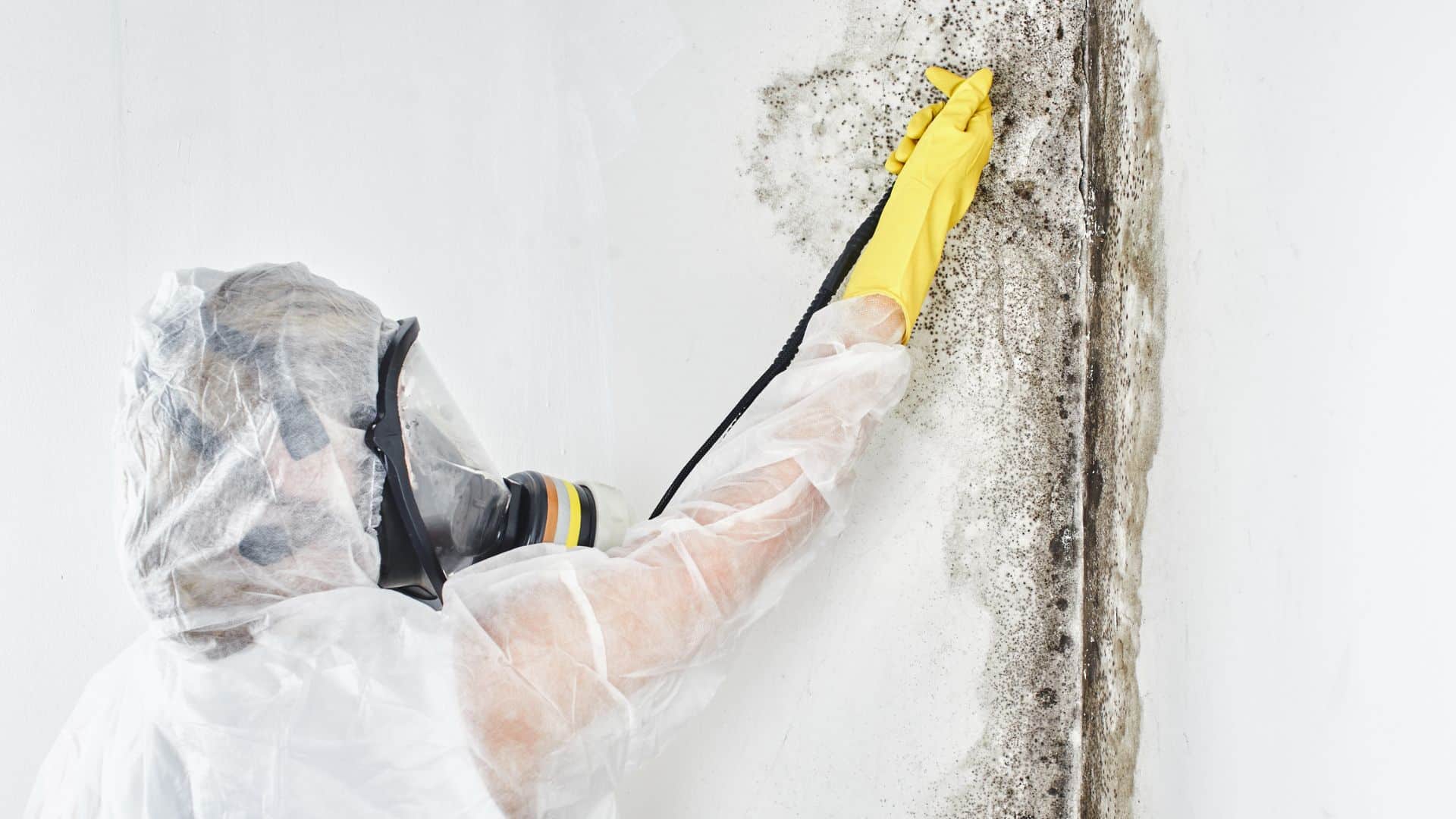
Professional mold cleanup services use appropriate containment, removal, cleaning, and drying procedures based on the affected area and materials involved. The goal is to safely remove contaminated materials where necessary and clean remaining surfaces while limiting the spread of mold to unaffected areas.
Professionals can also help identify moisture sources that may be contributing to continued mold growth.
The Mold Cleanup Process
A proper cleanup project generally begins with an inspection of the affected area. The extent of visible and suspected mold growth is evaluated, along with potential moisture sources.
1. Inspection and Assessment
The property is inspected for visible mold, water damage, humidity problems, leaks, and areas where hidden mold may be present. This helps determine the appropriate cleanup approach.
2. Containment
Affected areas may be isolated to help prevent mold spores and contaminated dust from spreading to other parts of the property. The containment strategy depends on the size and location of the affected area.
3. Moisture Control
The source of moisture needs to be corrected whenever possible. This may involve repairing leaks, improving ventilation, drying water-damaged materials, or controlling indoor humidity.
4. Mold Removal and Cleaning
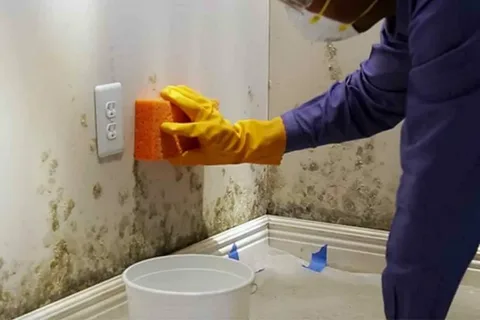
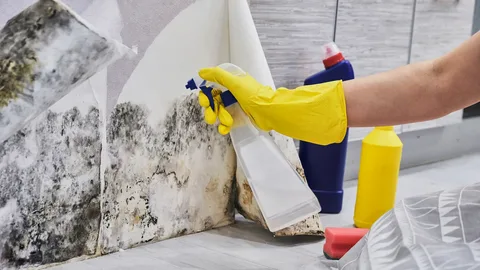
Contaminated materials that cannot be effectively cleaned may need to be removed and properly discarded. Salvageable surfaces can be cleaned using appropriate methods and products.
5. Drying and Dehumidification
Moisture control is an important part of the process. Professional drying equipment may be used to reduce moisture in affected areas and help prevent additional growth.
6. Final Inspection
After cleanup, the affected areas can be reviewed to make sure visible contamination has been addressed and moisture-related problems have been corrected as much as possible.
Where Mold Commonly Grows
Mold can develop in many parts of a property. Bathrooms, basements, kitchens, attics, crawl spaces, laundry rooms, and areas around plumbing are especially vulnerable when moisture is present.
Mold may also grow behind drywall, beneath flooring, inside cabinets, around HVAC components, and near windows where condensation occurs. Because some mold growth can remain hidden, addressing only visible spots may not solve the entire problem.
Preventing Mold From Coming Back
After mold cleanup, moisture prevention is essential. Property owners can take several steps to reduce future problems:
- Repair plumbing and roof leaks quickly.
- Keep indoor humidity under control.
- Improve ventilation in bathrooms and kitchens.
- Use exhaust fans when showering or cooking.
- Dry wet materials as soon as possible.
- Check areas around windows for condensation.
- Maintain gutters and drainage systems.
- Inspect previously water-damaged areas regularly.
Preventive maintenance can make it easier to identify moisture problems before they result in extensive mold growth.
When Should You Call a Mold Cleanup Professional?
Professional assistance may be appropriate when mold covers a large area, returns after cleaning, is associated with significant water damage, or may be hidden inside walls, flooring, ceilings, or other building materials. Professional help can also be useful when the source of moisture is difficult to identify.
A qualified mold cleanup service can evaluate the affected area, develop an appropriate cleanup plan, and help address the conditions that contributed to mold growth.
Keep Your Property Clean and Dry
Mold problems should not be ignored, especially when moisture or water damage is involved. Effective mold cleanup involves more than wiping away visible spots. Identifying the source of moisture, containing affected areas, removing contaminate