Mold can become a serious problem in any home or business when moisture is present for too long. It often develops in bathrooms, basements, kitchens, crawl spaces, attics, and other areas with poor ventilation. While a small amount of surface mold may seem harmless, untreated growth can spread quickly and damage walls, ceilings, flooring, insulation, and other building materials. Professional mold treatment helps identify the source of the problem, remove existing mold, and reduce the chance of it returning.
What Is Mold Treatment?
Mold treatment is the process of identifying, containing, removing, and cleaning mold from an indoor environment. Effective treatment goes beyond simply wiping visible mold from a surface. A professional approach focuses on finding the moisture source that allowed mold to grow in the first place.
Common causes include leaking pipes, roof leaks, flooding, plumbing problems, condensation, high indoor humidity, and poor ventilation. If the moisture issue is not corrected, mold may return even after the visible growth has been removed.
Common Signs of Mold Growth
Mold is not always easy to see. It can grow behind drywall, under flooring, inside cabinets, around windows, and in other hidden areas. Some common warning signs include:
- Musty or damp odors
- Black, green, white, or brown spots on surfaces
- Water stains on ceilings or walls
- Peeling paint or wallpaper
- Damp drywall or flooring
- Excessive indoor humidity
- Mold around bathrooms, windows, or HVAC areas
- Previous flooding or water damage
A persistent musty smell can be an important warning sign, especially when visible mold cannot be found.
Why Professional Mold Treatment Matters
Trying to remove mold without addressing the underlying moisture problem may provide only a temporary solution. Professional mold treatment focuses on the entire problem rather than just the visible area.
Professionals can inspect affected spaces, determine the likely source of moisture, isolate contaminated areas when necessary, and use appropriate cleaning and removal methods. They can also identify materials that may need repair or replacement because of extensive contamination or water damage.
Proper treatment can help protect the structure of your property while creating a cleaner and more comfortable indoor environment.
The Mold Treatment Process
A typical mold treatment project begins with an inspection. The affected areas are examined for visible growth, moisture, water damage, and conditions that may encourage mold development.
1. Inspection and Assessment
The first step is determining where mold is present and what caused it. Moisture sources such as plumbing leaks, roof problems, condensation, or excessive humidity should be investigated.
2. Containment
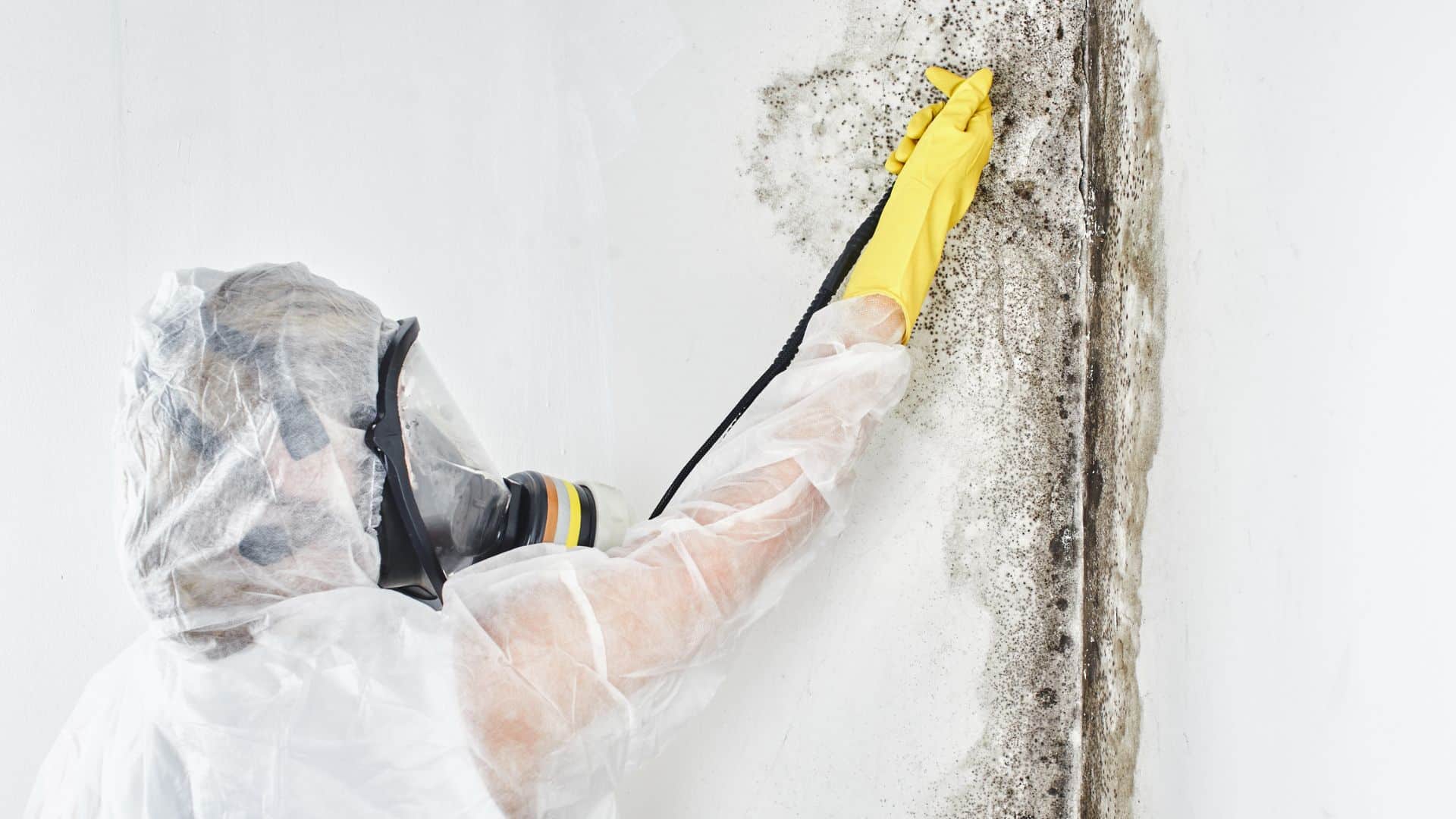
When necessary, the affected area can be isolated to help prevent mold particles from spreading to unaffected parts of the property. Proper containment is particularly important when dealing with larger areas of contamination.
3. Mold Removal and Cleaning
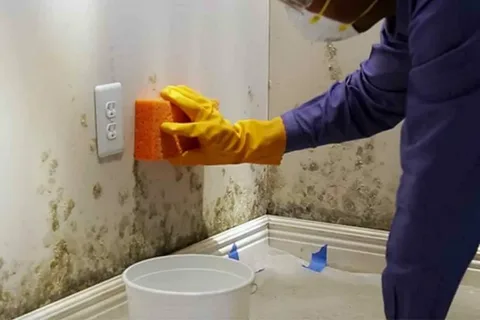
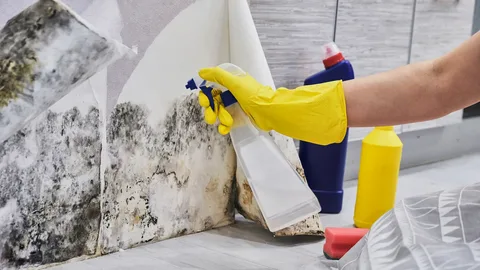
Affected surfaces are cleaned using appropriate methods based on the material and level of contamination. Porous materials that have been extensively damaged may require removal and replacement rather than simple surface cleaning.
4. Moisture Control
Removing mold without fixing the moisture problem is not enough. Leaks should be repaired, wet materials dried, and humidity levels controlled. Better ventilation may also be needed in areas such as bathrooms and kitchens.
5. Final Inspection
After treatment, the affected areas should be checked to make sure visible contamination has been addressed and moisture problems have been corrected. Ongoing monitoring can help prevent future growth.
Areas Where Mold Commonly Develops
Mold can appear almost anywhere moisture accumulates. Bathrooms are common because showers and baths create humidity. Basements and crawl spaces can develop mold because of groundwater, leaks, or poor ventilation. Kitchens may experience mold around sinks, cabinets, and appliances.
Attics can also develop mold when ventilation is inadequate or roof leaks allow moisture inside. HVAC systems and areas around windows can experience condensation that creates favorable conditions for mold growth.
How to Prevent Mold From Coming Back
Once mold has been treated, prevention is essential. Keep indoor spaces dry and address water problems as soon as they appear. Repair plumbing and roof leaks promptly, improve ventilation in damp rooms, and use exhaust fans when cooking or showering.
It is also helpful to monitor areas that have experienced previous water damage. Keeping basements, bathrooms, kitchens, and other moisture-prone areas clean and dry can significantly reduce the conditions mold needs to grow.
When Should You Call a Mold Treatment Professional?
Professional help may be appropriate when mold covers a large area, keeps returning, is located in hidden spaces, or is associated with significant water damage. Professional treatment can also be useful when you notice a strong musty odor but cannot locate the source.
Addressing mold early can help reduce property damage and prevent a small moisture problem from becoming a much larger restoration project.
Conclusion
Mold treatment is about more than removing visible spots from walls or ceilings. A successful solution involves identifying the moisture source, addressing affected areas, cleaning or removing contaminated materials when appropriate, and taking steps to prevent future growth.
If you notice mold, water stains, persistent musty odors, or signs of excess moisture, do not ignore the problem. Prompt inspection and proper mold treatment can help protect your property and maintain a cleaner, more comfortable indoor environment.