Mold is more than just an unsightly nuisance in your home—it can be a serious health hazard. If left unchecked, mold can cause respiratory issues, allergic reactions, and even structural damage to your property. Understanding how to identify, prevent, and remove mold is essential for maintaining a safe and healthy living environment. This guide will walk you through everything you need to know about mold removal.
What is Mold and Why is It Dangerous?
Mold is a type of fungus that grows in damp, humid environments. It reproduces by releasing tiny spores into the air, which can settle on surfaces and continue to grow if conditions are favorable. Common places to find mold in homes include:
- Bathrooms and kitchens
- Basements and crawl spaces
- Around leaky pipes or roofs
- Areas with poor ventilation
Exposure to mold can cause a range of health problems, including:
- Sneezing, coughing, and nasal congestion
- Skin irritation or rashes
- Eye irritation
- Asthma attacks or breathing difficulties for sensitive individuals
Because of these risks, mold removal is not just about aesthetics—it’s about safeguarding your family’s health.
Signs You May Have a Mold Problem
Detecting mold early can save time, money, and prevent serious health issues. Some common signs include:
- Musty or earthy odors in certain areas
- Visible black, green, or white spots on walls, ceilings, or floors
- Water stains or discoloration on walls
- Peeling paint or wallpaper
- Persistent allergy symptoms
If you notice any of these signs, it’s important to take immediate action to prevent the mold from spreading.
DIY Mold Removal: When It’s Safe to Do It Yourself
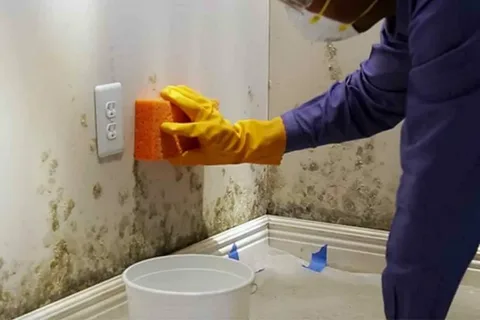
Small mold infestations can often be handled without professional help, but it’s important to approach this task carefully. Here are some steps for safe DIY mold removal:
1. Protect Yourself
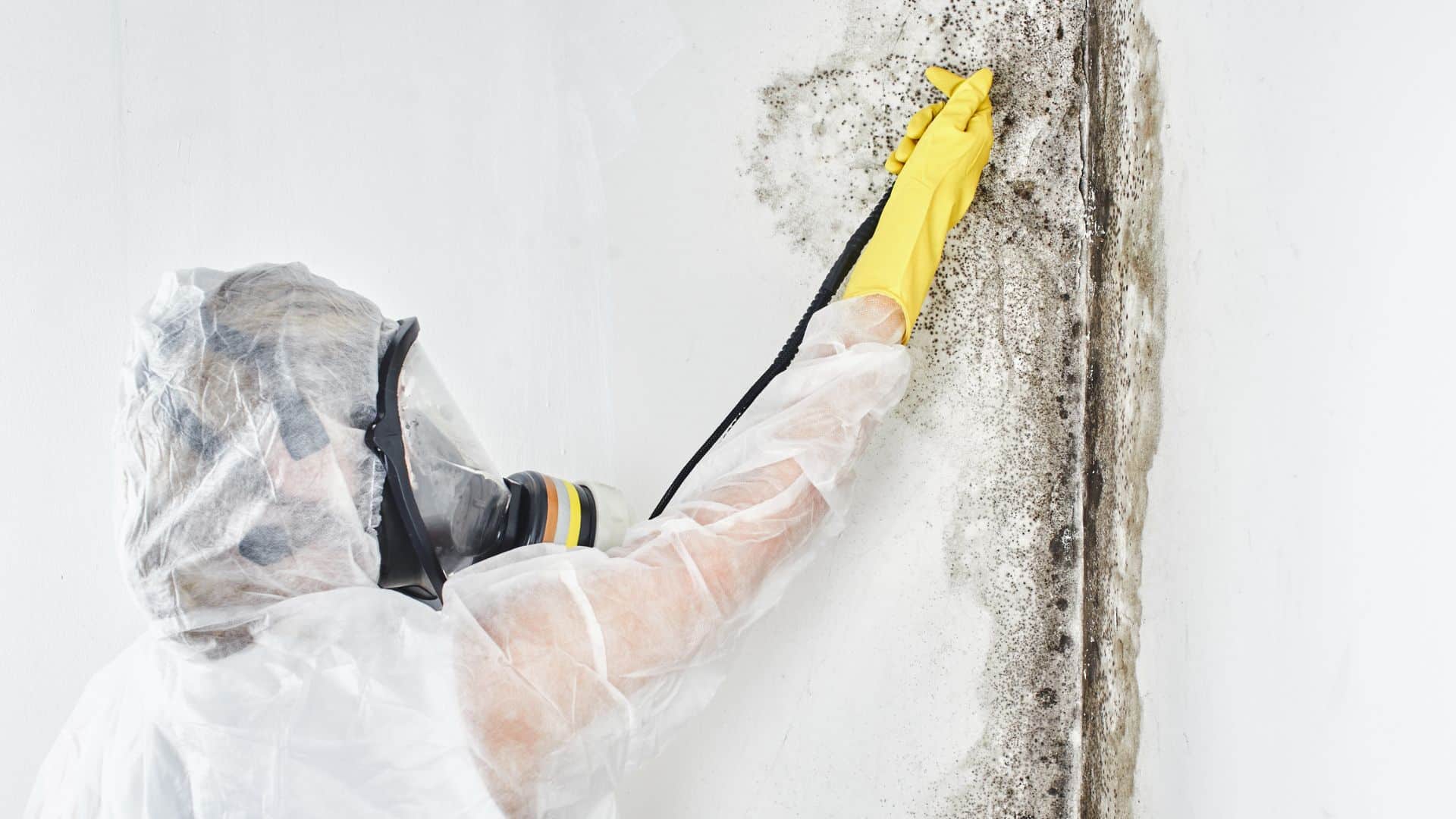
Always wear protective gear such as:
- Gloves
- Safety goggles
- A mask or respirator designed to filter mold spores
This will reduce your exposure and prevent respiratory issues.
2. Identify the Source of Moisture
Mold cannot grow without moisture. Fixing leaks, improving ventilation, and reducing humidity are crucial first steps.
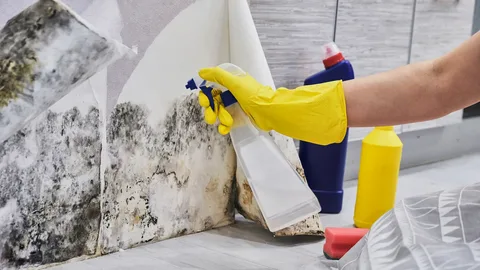
3. Clean Affected Areas
Use a mixture of water and mild detergent or commercial mold removal products to scrub surfaces. For porous materials like carpets or drywall, it may be necessary to remove and replace them entirely, as mold can penetrate deeply.
4. Dry Thoroughly
After cleaning, make sure the area is completely dry. Using fans, dehumidifiers, and proper ventilation can prevent mold from returning.
Professional Mold Removal: When to Call the Experts
While DIY methods work for minor mold issues, larger infestations require professional help. Call a certified mold remediation company if you encounter:
- Mold covering more than 10 square feet
- Mold in your HVAC system or behind walls
- Severe health symptoms linked to mold exposure
- Recurrent mold problems despite cleaning
Professional mold removal specialists use advanced equipment and techniques such as HEPA filtration, industrial dehumidifiers, and containment procedures to safely remove mold and prevent recurrence.
Preventing Mold Growth in Your Home
Prevention is the most effective way to protect your home from mold. Here are some tips:
- Keep humidity levels below 50% using dehumidifiers or air conditioners
- Fix leaks in roofs, walls, and plumbing promptly
- Ensure proper ventilation in bathrooms, kitchens, and laundry rooms
- Use mold-resistant paints and materials in high-moisture areas
- Regularly clean gutters and ensure proper drainage around your home
By staying proactive, you can reduce the likelihood of mold growth and protect your property’s value.
Health Considerations and Mold Exposure
Even after mold removal, some people may experience lingering health issues. Individuals with asthma, allergies, or weakened immune systems are especially susceptible. Symptoms may include:
- Chronic coughing or wheezing
- Nasal congestion or sinus infections
- Eye irritation
- Fatigue or headaches
If symptoms persist after mold removal, consult a healthcare professional.
Choosing the Right Mold Removal Service
When selecting a mold removal company, consider the following factors:
- Certification: Ensure they are certified by recognized organizations like the IICRC (Institute of Inspection, Cleaning and Restoration Certification).
- Experience: Look for companies with a proven track record in residential or commercial mold remediation.
- Transparent Pricing: Get a clear estimate upfront and understand what services are included.
- Reviews: Check customer reviews and testimonials to gauge quality and reliability.
Hiring a reputable mold remediation service can save time, ensure thorough cleaning, and give you peace of mind.
Conclusion
Mold is more than just an unsightly problem—it’s a potential health risk and a threat to your home’s structure. Early detection, proper cleaning, and preventive measures are crucial to keeping your home safe and mold-free. While DIY methods are suitable for small issues, professional mold removal is the best option for larger or hidden infestations.
By understanding the causes, identifying early warning signs, and taking proactive steps, you can protect your home, family, and health from the dangers of mold. Don’t wait for mold to take hold—act quickly, and ensure your home remains a safe, healthy environment.