Mold is one of the most common and potentially dangerous problems homeowners face. It often grows unnoticed in damp corners, basements, bathrooms, or behind walls—thriving silently and spreading quickly. Beyond damaging your property, mold can seriously affect your family’s health, causing allergies, respiratory issues, and other long-term problems. That’s why mold remediate isn’t just about cleaning up visible mold; it’s about ensuring a safe, healthy, and protected living environment.
In this guide, we’ll explain everything you need to know about mold remediation—what it is, why it’s important, how it’s done, and how to prevent mold from returning.
What Is Mold Remediate?
Mold remediation is the professional process of identifying, removing, cleaning, and preventing mold growth in homes or commercial spaces. Unlike simple cleaning or wiping off visible spots, remediation focuses on addressing the root cause of mold growth—moisture.
Professional mold remediation companies use specialized tools and methods to eliminate mold colonies safely and restore your home’s air quality. The goal isn’t just to remove existing mold but to prevent it from recurring.

Why Mold Growth Is a Serious Problem
Mold thrives in humid environments and feeds on organic materials such as wood, drywall, paper, or carpet fibers. Once it starts spreading, it can quickly damage walls, ceilings, insulation, and even the structural integrity of your home.
But the real danger lies in its impact on health. Mold releases tiny spores into the air that, when inhaled, can cause:
- Allergic reactions: sneezing, coughing, or itchy eyes
- Respiratory issues: difficulty breathing, asthma attacks, and sinus congestion
- Skin irritations: rashes and itching
- Fatigue and headaches: due to long-term exposure
Children, elderly people, and individuals with weakened immune systems are particularly at risk. That’s why prompt mold remediation is essential to protect both your property and your loved ones.
Signs You Might Need Mold Remediate
Mold often grows out of sight, but there are several signs that can alert you to its presence:
- Musty Odor: A persistent earthy or damp smell often signals hidden mold.
- Visible Mold Patches: Mold can appear as black, green, or white spots on walls, ceilings, or floors.
- Water Damage: Leaks, flooding, or condensation can create ideal conditions for mold.
- Peeling Paint or Wallpaper: Moisture behind walls can cause surface damage.
- Allergy Symptoms: If you or your family experience allergy-like symptoms that worsen indoors, mold could be the cause.
If you notice any of these signs, it’s time to contact a professional mold remediate service.
The Mold Remediation Process: Step by Step
Professional mold remediate follows a structured process to ensure that every trace of mold is properly removed and the area remains safe afterward. Here’s what typically happens:
1. Inspection and Assessment
Experts begin by conducting a detailed inspection using moisture meters, infrared cameras, and air quality testing to locate hidden mold. They assess the extent of contamination and identify the source of moisture that’s fueling the growth.
2. Containment
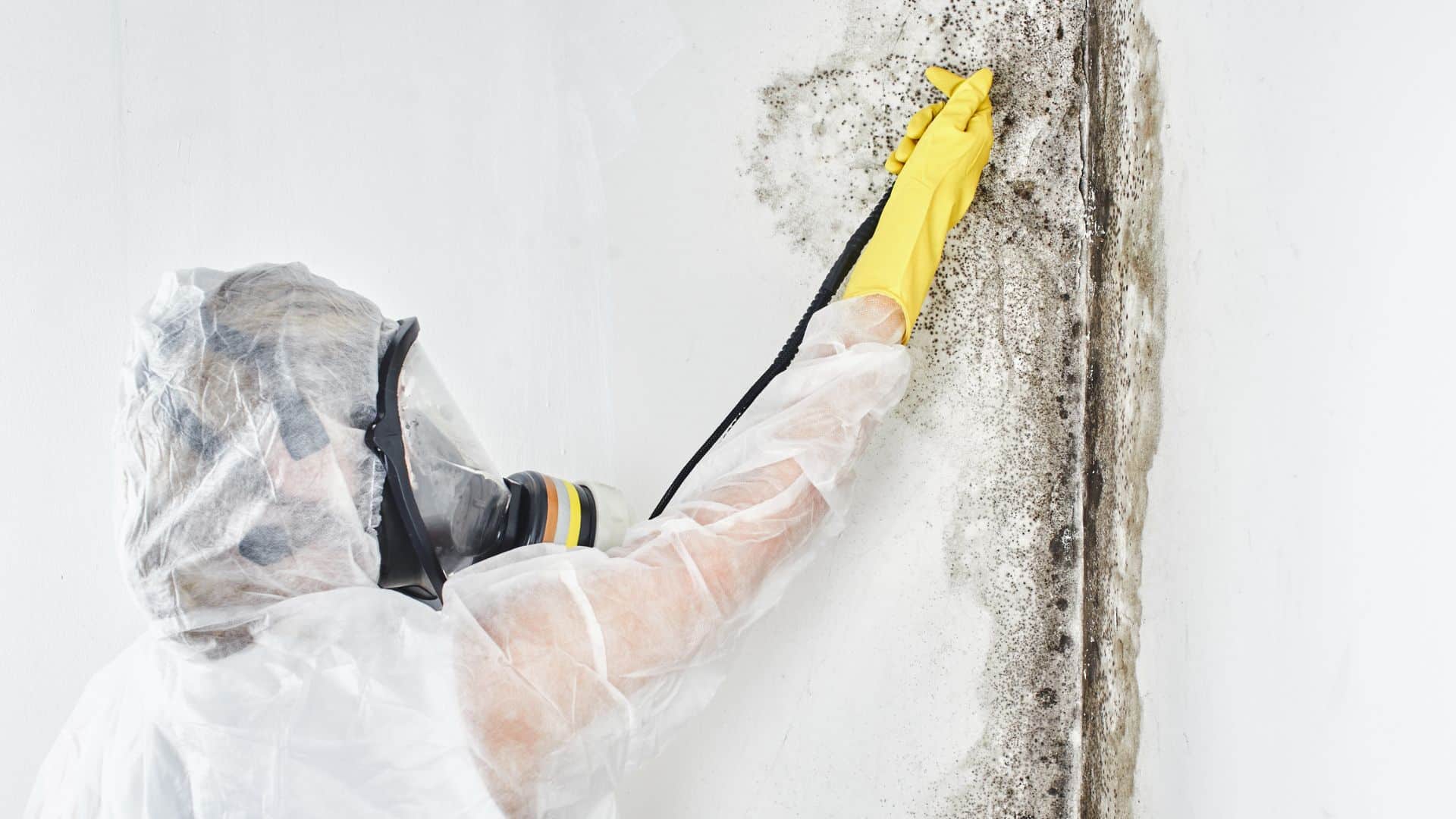
Once mold is found, the affected area is sealed off using plastic sheeting and negative air pressure systems. This prevents mold spores from spreading to other parts of the house during cleaning.
3. Air Filtration
HEPA air filters and vacuums are used to capture airborne mold spores. This step is crucial for improving indoor air quality and minimizing health risks.
4. Mold Removal
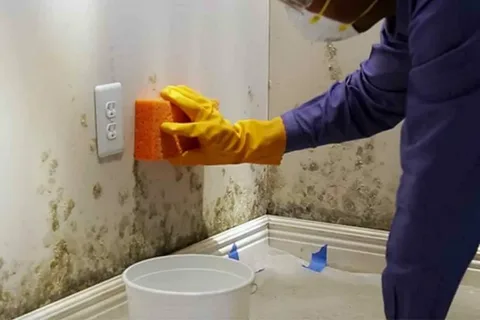
Depending on the severity, professionals remove mold using eco-friendly cleaning agents, biocides, and advanced equipment. Porous materials like drywall or insulation may need replacement if they’re heavily infested.
5. Cleaning and Sanitization
After removing mold, all surfaces are cleaned and sanitized thoroughly. Furniture, carpets, and other items in the affected area are also treated to ensure complete decontamination.
6. Repair and Restoration
Finally, damaged materials are repaired or replaced—such as drywall, flooring, or insulation. Restoration ensures your home looks and feels as good as new, with no trace of mold left behind.
Why You Shouldn’t Try DIY Mold Removal
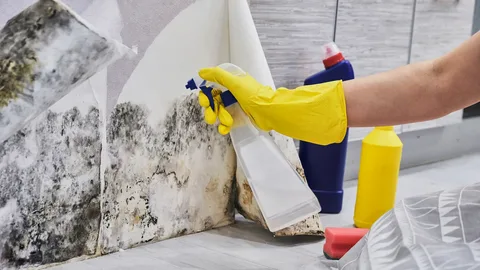
While small mold patches can be cleaned using household products like vinegar or baking soda, larger infestations should always be handled by professionals. DIY methods often fail to address the root cause and may even make the situation worse by spreading spores into the air.
Professionals have specialized training, protective gear, and equipment to handle mold safely. They also identify moisture problems—like hidden leaks or poor ventilation—that homeowners might overlook. Choosing a certified mold remediate service ensures the job is done thoroughly and effectively.
The Importance of Professional Mold Remediate Services
Professional mold remediate services go beyond surface cleaning. They restore healthy indoor air, protect structural materials, and ensure long-term prevention. Some key benefits include:
- Health protection: Reduces allergens and respiratory risks
- Property preservation: Prevents costly damage to walls, flooring, and insulation
- Odor elimination: Removes unpleasant musty smells permanently
- Peace of mind: Ensures your living space is safe and healthy
How to Prevent Mold Growth in the Future
Once mold remediation is complete, prevention becomes your next priority. Here are a few simple ways to keep mold from coming back:
- Control Moisture: Fix leaks, improve drainage, and keep humidity levels below 50%.
- Ventilate Properly: Use exhaust fans in bathrooms, kitchens, and laundry areas.
- Dry Wet Areas Promptly: Clean up spills or flooding within 24–48 hours.
- Use Mold-Resistant Products: When remodeling, choose mold-resistant drywall and paint.
- Monitor Indoor Humidity: Use a dehumidifier in damp basements or crawl spaces.
- Regular Inspections: Schedule routine checks, especially after water damage or heavy rain.
Prevention is always easier—and cheaper—than dealing with another mold infestation.
Choosing the Right Mold Remediation Company
When selecting a mold remediation service, look for:
- Certification and Experience: Ensure they follow EPA and IICRC guidelines.
- Comprehensive Services: They should offer inspection, remediation, and prevention.
- Transparent Pricing: Avoid companies that offer vague quotes.
- Positive Reviews: Check online testimonials and local reputation.
A reliable company won’t just remove mold—they’ll help you understand the cause and how to prevent it from returning.
Final Thoughts
Mold growth can turn your home from a safe haven into a health hazard. However, with timely mold remediation, you can restore comfort, cleanliness, and peace of mind. Whether it’s a small patch or a widespread problem, professional intervention ensures that your home is mold-free and your air quality is healthy.
Protect your home, protect your family—don’t wait until mold spreads beyond control. Contact a certified Mold Remediation Service today and take the first step toward a healthier living environment.