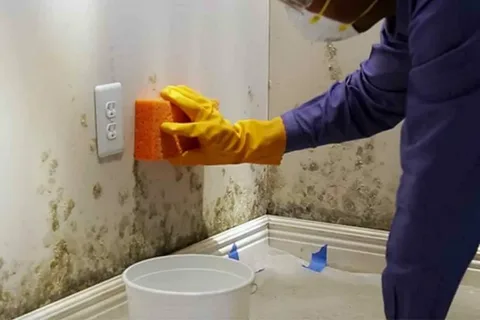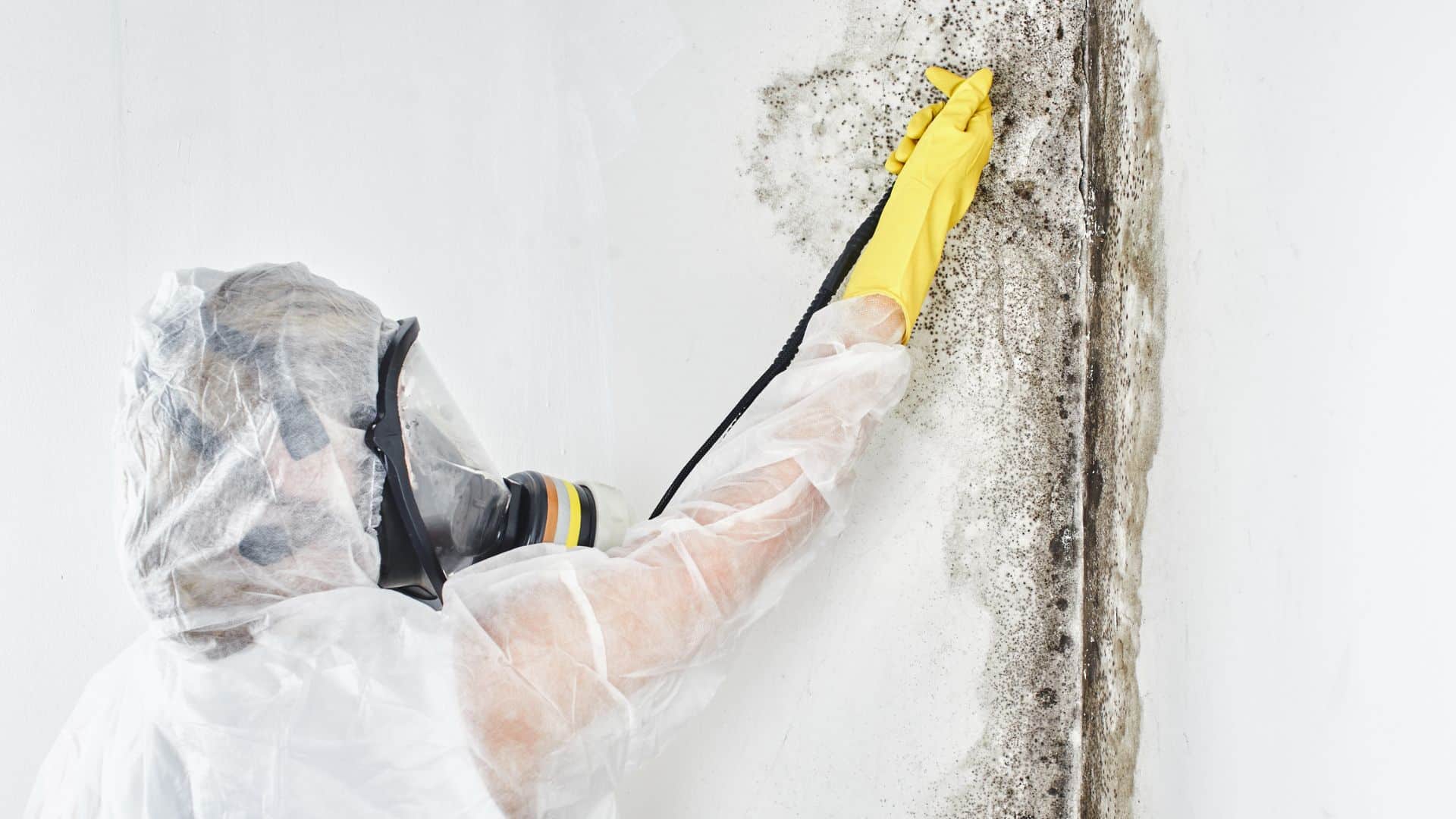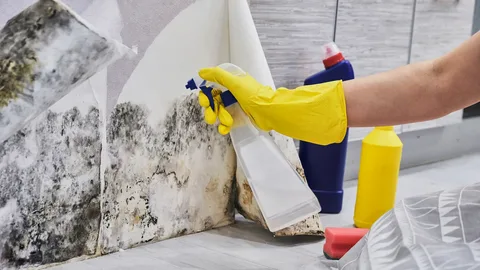
Mold is a silent intruder that can thrive in hidden areas of your home or business, often going unnoticed until it becomes a major problem. Unlike visible mold growth on walls or ceilings, hidden mold lurks behind drywall, under flooring, in air ducts, and other concealed spaces. Detecting mold early is crucial for maintaining indoor air quality and preventing structural damage. If you suspect mold in your property, professional mold detection services can identify hidden mold growth and provide effective solutions for remediation.
The Dangers of Hidden Mold
Mold is more than just an unsightly nuisance; it poses significant health risks and can cause severe damage to your property. Hidden mold is especially dangerous because it continues to grow unchecked, spreading spores into the air and creating an unhealthy indoor environment.
Health Risks of Mold Exposure
Exposure to mold can lead to various health problems, particularly for individuals with allergies, asthma, or weakened immune systems. Common health issues associated with mold exposure include:
- Respiratory Problems – Mold spores can irritate the lungs, causing coughing, wheezing, and difficulty breathing.
- Allergic Reactions – Symptoms such as sneezing, runny nose, and skin rashes may indicate mold exposure.
- Sinus Infections – Mold spores can contribute to chronic sinus infections and congestion.
- Eye and Skin Irritation – Red, itchy eyes and skin rashes can be a sign of mold presence.
- Fatigue and Headaches – Prolonged exposure to mold toxins may cause headaches, dizziness, and general fatigue.
Structural Damage Caused by Mold
Mold feeds on organic materials such as wood, drywall, and insulation. When left untreated, it can weaken the structural integrity of your property, leading to:
- Rotting Wood – Mold growth on wooden beams, flooring, and framing can cause decay and compromise the building’s strength.
- Weakened Drywall – Mold damages drywall, making it brittle and discolored.
- Foundation Issues – Persistent mold growth in basements and crawl spaces can lead to moisture problems that affect the foundation.
Where Mold Hides in Your Home
Hidden mold thrives in damp, poorly ventilated areas that provide the perfect breeding ground for fungal growth. Common places where mold hides include:
Behind Walls and Drywall
Mold often grows inside walls, especially if there are hidden leaks or high humidity levels. If you notice a musty odor but don’t see visible mold, it may be concealed within the walls.
Under Flooring and Carpets
Water damage from leaks or flooding can lead to mold growth beneath hardwood, tile, and carpeted floors. Warped or discolored flooring may indicate a hidden mold problem.
Inside HVAC Systems and Air Ducts
Mold spores can spread through your heating, ventilation, and air conditioning (HVAC) system, affecting indoor air quality. Regular air duct inspections are crucial for mold prevention.
In Attics and Crawl Spaces
Poor ventilation in attics and crawl spaces creates an environment where mold can thrive unnoticed for long periods.
Behind Kitchen and Bathroom Cabinets
Plumbing leaks often cause mold growth behind cabinets and under sinks, where moisture accumulates.
How Professional Mold Detection Works
Detecting hidden mold requires specialized equipment and expertise. Professional mold detection services use advanced techniques to identify mold infestations and determine the best course of action.
1. Visual Inspection
Trained mold specialists conduct a thorough inspection of your property, looking for signs of water damage, discoloration, and musty odors that indicate mold presence.
2. Moisture and Humidity Testing
Mold thrives in damp environments, so professionals use moisture meters and hygrometers to measure moisture levels in walls, ceilings, and floors.
3. Air Quality Testing
Air sampling helps detect airborne mold spores that may not be visible. Samples are analyzed in a lab to determine the type and concentration of mold present.
4. Thermal Imaging Technology
Infrared cameras detect temperature variations in walls and ceilings, identifying areas with hidden moisture that may harbor mold growth.
5. Surface Sampling
Swab and tape-lift samples are taken from suspected mold-infested areas and analyzed for confirmation.
6. Report and Remediation Plan
Once mold is detected, experts provide a detailed report outlining the findings and recommend a remediation strategy to eliminate the problem.
Preventing Hidden Mold Growth
Once mold is removed, taking preventive measures can help keep your home mold-free:
1. Control Indoor Humidity
Keep humidity levels between 30-50% to discourage mold growth. Use dehumidifiers and air conditioners in humid areas.
2. Fix Water Leaks Immediately
Repair any leaks in roofs, pipes, and windows to prevent moisture buildup.
3. Improve Ventilation
Use exhaust fans in bathrooms, kitchens, and laundry rooms to reduce moisture accumulation.
4. Regularly Inspect High-Risk Areas
Periodically check basements, attics, and crawl spaces for signs of moisture or mold growth.
5. Use Mold-Resistant Materials
Consider installing mold-resistant drywall, insulation, and paint in moisture-prone areas.
Choosing the Right Mold Detection Service
When searching for reliable mold detection services, look for:
- Certified Mold Inspectors – Ensure the company has licensed and certified mold specialists.
- Comprehensive Testing Methods – Choose services that use air sampling, infrared imaging, and moisture testing.
- Positive Customer Reviews – Check testimonials and ratings for reputable service providers.
- Clear and Transparent Pricing – Request detailed estimates with no hidden fees.
- Expert Remediation Advice – A reliable company will offer guidance on the next steps for mold removal.
Conclusion
Hidden mold can cause serious health issues and property damage if left undetected. If you suspect mold in your home or business, professional mold detection services can help identify the problem and provide effective solutions.
Don’t let hidden mold compromise your indoor air quality and safety. Contact a trusted mold detection expert today to ensure your property remains clean, healthy, and mold-free!