Mold is one of those hidden problems that can quietly grow inside your home without you even realizing it. Whether it’s behind walls, under floors, or inside your HVAC system, mold can cause serious health issues and structural damage if not detected early. Because it thrives in damp, humid environments, every homeowner should know how to test for mold in their home — especially if they notice musty odors or unexplained allergy symptoms.
In this detailed guide, we’ll walk you through the different ways to test for mold, signs that suggest its presence, and when to call a professional Mold Tester for accurate results.
Understanding Mold Tester and Why Testing Matters
Mold is a type of fungus that grows from microscopic spores floating in the air. These spores settle on damp surfaces and begin to multiply, feeding on organic materials such as wood, paper, drywall, or carpet. Common household molds include Aspergillus, Penicillium, and Stachybotrys chartarum (also known as black mold).
While not all molds are toxic, long-term exposure can cause various health issues like sneezing, coughing, headaches, fatigue, and respiratory irritation. For individuals with asthma or weakened immune systems, mold can be even more dangerous.
Testing for mold allows you to:
- Confirm whether mold is present.
- Identify the type of mold and its severity.
- Detect hidden mold growth behind walls or ceilings.
- Protect your home’s indoor air quality.

Common Signs You May Have Mold Tester
Before testing, it’s helpful to recognize the warning signs of mold growth. You might need to test for mold if you notice:
- A persistent musty or earthy odor in certain rooms.
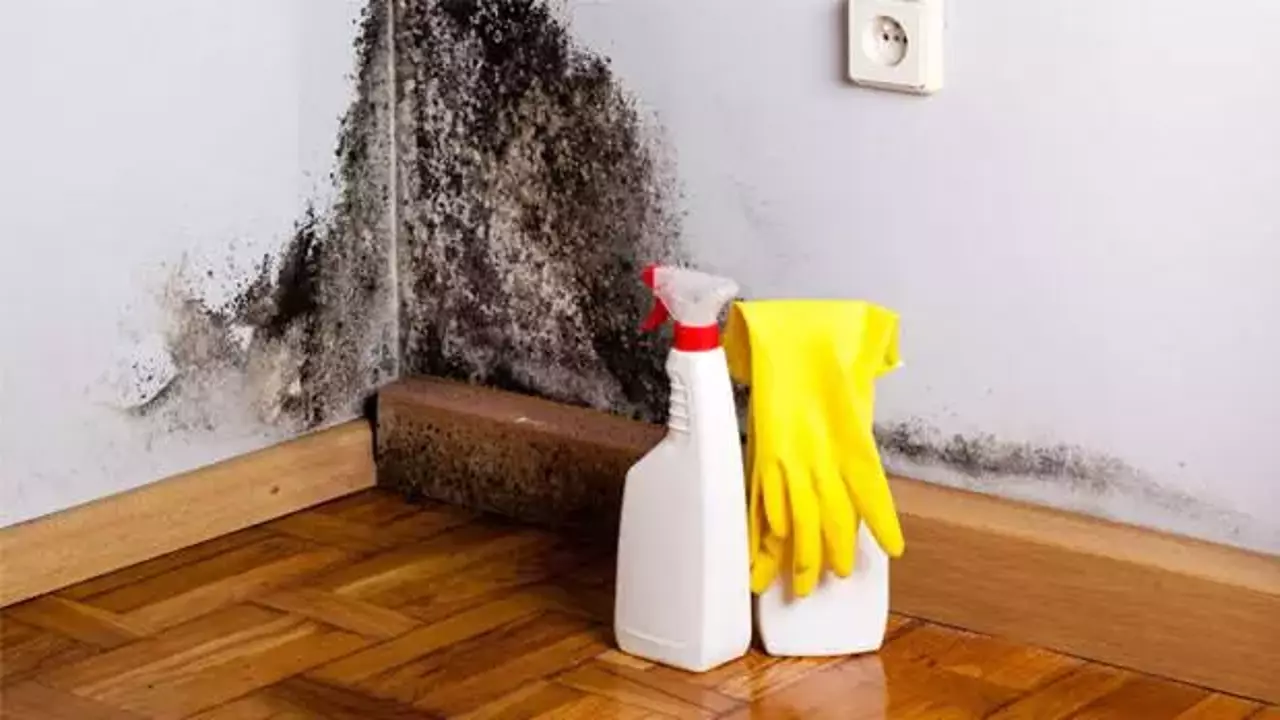
- Visible spots or discoloration on walls, ceilings, or floors.
- Allergic reactions like sneezing, itchy eyes, or coughing that worsen indoors.
- Warped walls or bubbling paint, often caused by moisture trapped behind surfaces.
- Past water damage, such as flooding or leaky pipes.
Even if you can’t see mold, these signs indicate it could be hiding somewhere in your home.
1. Visual Inspection
The first step in testing for mold is a thorough visual inspection. Look for any signs of discoloration, fuzzy patches, or black, green, or white spots on surfaces. Mold commonly appears in:
- Bathrooms (especially around showers and sinks)
- Basements
- Attics
- Around windows and doors
- Behind drywall or wallpaper
- Under carpets
- Inside HVAC systems
You can use a flashlight and mirror to inspect tight or hidden spaces. However, remember that not all mold is visible — so a clean-looking surface doesn’t always mean your home is mold-free.
2. The Smell Test
A musty or earthy smell is often the first clue of hidden mold growth. Mold Tester releases microbial volatile organic compounds (MVOCs), which cause that distinctive odor. If certain areas of your home — such as basements or bathrooms — have a persistent musty smell even after cleaning, it’s a strong indication that mold could be lurking out of sight.
3. The Moisture Test
Because mold thrives on moisture, checking for dampness is an effective way to predict where mold might grow. Use a moisture meter to test walls, ceilings, or floors for elevated humidity or water damage. Readings above 15–17% moisture content typically suggest conditions that can support mold Tester growth.
If you find damp spots, dry them immediately and investigate the source — it could be a leaking pipe, condensation, or poor ventilation.
4. DIY Mold Testing Kits
For homeowners who want a more direct approach, DIY mold tester kits are available online or at hardware stores. These kits usually include petri dishes or test strips that collect air or surface samples from different parts of your home.
Here’s how they work:
- Air Test: You leave an open petri dish in the suspected area for 24–48 hours. If mold spores are present in the air, they’ll settle and begin to grow in the dish.
- Surface Test: You collect a sample by swabbing a visible mold spot and placing it in the provided container.
- Send for Lab Analysis: Some kits allow you to mail the sample to a lab to identify the mold type and concentration.
While DIY kits can give a general indication of mold Tester presence, they often lack the accuracy and depth of a professional test. Results may be affected by air movement, humidity levels, or improper sampling.
5. Professional Mold Tester
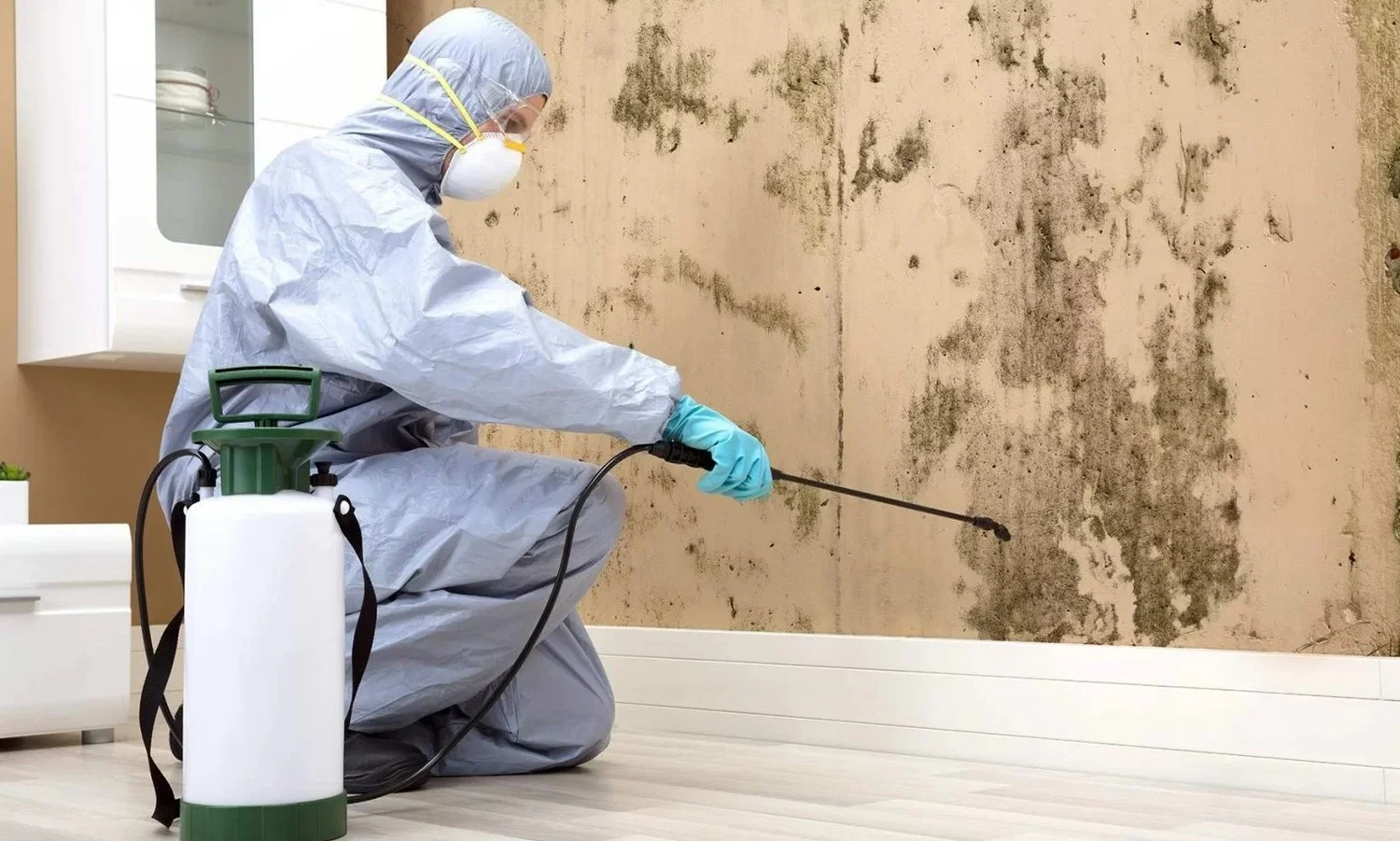
If you suspect a serious or hidden mold problem, hiring a professional Mold Detector Service is the most reliable option. Professionals use advanced tools and methods to locate and identify mold accurately, even in areas you can’t easily access.
Common Professional Mold Testing Methods:
- Air Sampling: Technicians collect air samples from inside and outside your home to compare mold spore levels. High indoor counts usually indicate active mold growth.
- Surface Sampling: Swabs or tape lifts are taken from visible mold spots for laboratory analysis.
- Bulk Sampling: Sections of building materials (like drywall) are tested to determine contamination levels.
- Infrared Scanning: Infrared cameras detect temperature differences caused by moisture buildup, helping locate hidden mold behind walls or ceilings.
Professional testing not only identifies mold presence but also provides a detailed report on mold types, severity, and recommendations for cleanup or remediation.
6. Using Air Quality Monitors
Modern air quality monitors can detect changes in indoor air composition, including humidity, particulate matter, and volatile organic compounds (VOCs). While these devices don’t directly test for mold, they can alert you to poor air quality or moisture levels that promote mold Tester growth.
7. Testing HVAC Systems
Mold can easily spread through your home’s heating, ventilation, and air conditioning (HVAC) system. Dust and moisture in ducts create the perfect breeding ground for spores. If you smell mustiness when the system runs or notice worsening allergies, have your HVAC system professionally inspected and tested for mold contamination.
When to Call a Mold Detector Service
While small mold problems can be tested using DIY kits, you should call a professional Mold Detector Service if:
- You suspect hidden mold behind walls or under floors.
- The affected area is larger than 10 square feet.
- You’ve experienced recent flooding or water damage.
- Family members have unexplained health symptoms like headaches or breathing issues.
- You plan to buy or sell a property and need an inspection report.
Professionals have the right tools and expertise to locate the source of mold accurately and provide safe, effective solutions for removal.
Preventing Mold Growth After Tester
Testing is only the first step. Once mold is confirmed, the next focus should be prevention and control. Here are some tips to keep mold from returning:
- Fix leaks immediately in plumbing, roofing, or walls.
- Improve ventilation in bathrooms, kitchens, and basements.
- Use dehumidifiers to maintain indoor humidity below 50%.
- Clean and dry wet areas within 24–48 hours after exposure to water.
- Regularly change HVAC filters and clean ducts.
- Inspect high-risk areas like basements and attics every few months.
Taking these steps can help you maintain a healthy, mold-free environment.
The Cost of Mold Tester
The cost of mold testing depends on the method and the size of your home.
- DIY mold kits: $10–$50 (basic surface or air tests).
- Professional mold testing: $300–$700 for most homes, depending on the number of samples and complexity.
While professional testing costs more, it provides comprehensive and trustworthy results — an investment in your health and property.
Final Thoughts
Knowing how to test for mold tester in your house is essential for maintaining a safe and healthy living space. Start by checking for visible signs, smells, and moisture. DIY test kits can help identify minor issues, but for accurate results and hidden mold detection, it’s best to rely on a professional Mold Detector Service.
Mold doesn’t just affect your home’s appearance — it can impact your air quality and overall well-being. Detecting it early through proper testing is the first step toward a cleaner, safer, and healthier home.