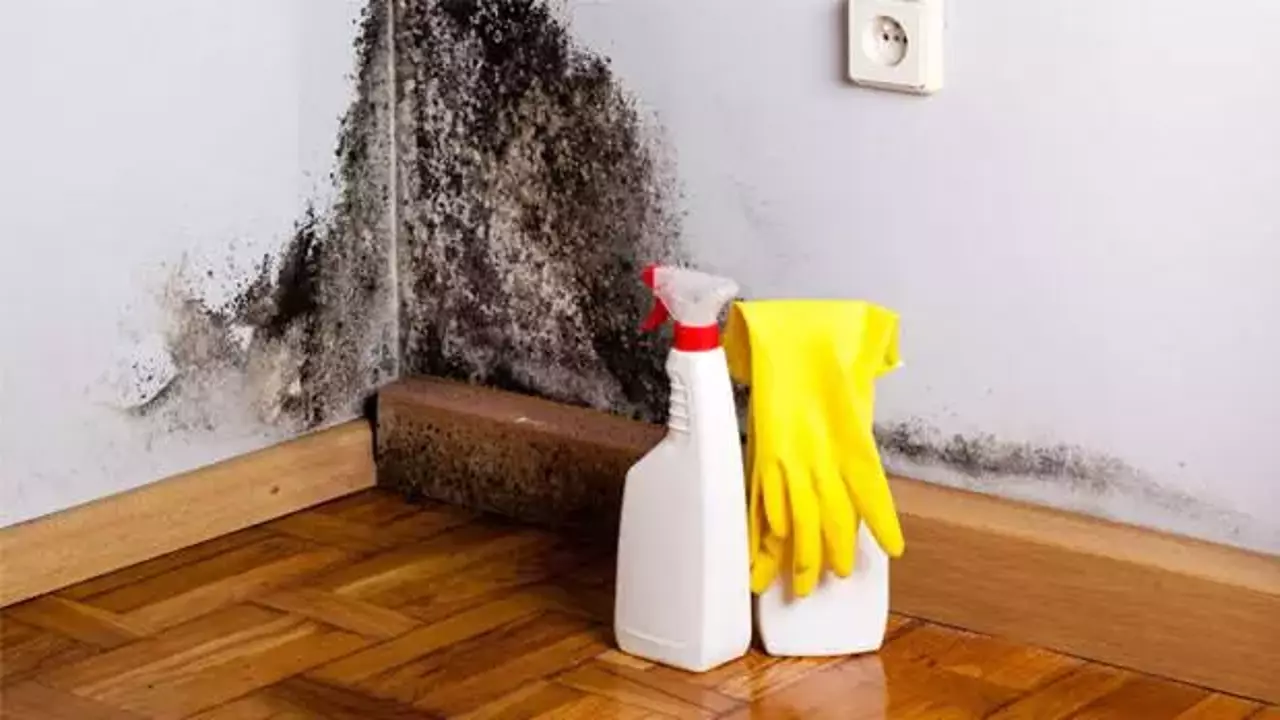
Mold growth in your home can be a significant issue, not only for the structure but also for your health. Mold thrives in damp, warm environments and can spread quickly, causing damage to walls, furniture, and even your HVAC system. The best approach to tackling mold is early intervention, using effective methods to ensure it doesn’t come back. In this guide, we’ll explore the most effective mold treatment methods that can help you protect your home and maintain a healthy environment.
1. Identifying the Cause of Mold Growth
Before delving into specific treatment methods, it’s essential to identify the cause of mold growth. Mold thrives in damp conditions, so fixing moisture issues is the first step. Whether it’s a leaky pipe, poor ventilation, or a recent flood, addressing the source of moisture ensures that mold doesn’t return after treatment. Common causes include:
- Leaks from plumbing pipes
- Condensation on windows
- Flooding or water intrusion
- High humidity levels
Once the moisture problem is fixed, you can proceed with effective treatment methods to eradicate mold.
2. Basic Mold Removal with Cleaning Agents
For small areas of mold (under 10 square feet), basic cleaning agents can often suffice to treat mold effectively. There are several over-the-counter mold removers and homemade cleaning solutions that can eliminate surface mold:
1. Bleach Solution (Sodium Hypochlorite)
Bleach is a common choice for killing mold on non-porous surfaces like tiles, bathtubs, and countertops. The solution is typically mixed in a ratio of 1 part bleach to 10 parts water. It can kill mold and remove stains caused by mold on the surface. However, it doesn’t work well on porous surfaces like wood or drywall, as it may not penetrate deeply enough.
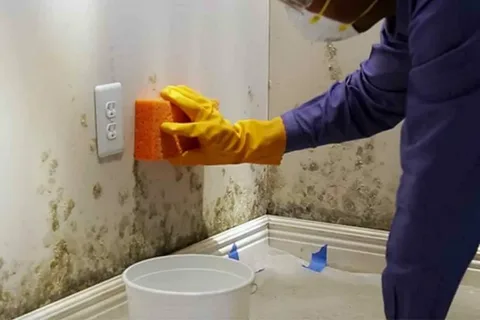
- How to use bleach: Apply the solution to the moldy area, let it sit for 15-20 minutes, scrub the area, and then rinse with water.
- Caution: Always use bleach in a well-ventilated area and wear gloves and a mask to protect yourself from fumes.
2. Vinegar Solution
White vinegar is a natural and non-toxic mold killer. It works by altering the pH balance of the mold, preventing it from growing. You can use it on various surfaces, including tiles, glass, and wooden furniture. Vinegar is effective against many types of mold and mildew.
- How to use vinegar: Pour undiluted white vinegar into a spray bottle, spray it on the affected area, let it sit for an hour, then scrub and rinse.
- Caution: Vinegar’s smell can be strong, but it dissipates after a short while.
3. Baking Soda Solution
Baking soda is another natural mold-fighting option. It’s mildly abrasive, so it helps scrub mold off surfaces, while also neutralizing odors. Baking soda is ideal for treating mold in kitchens and bathrooms.
- How to use baking soda: Mix one-quarter of a tablespoon of baking soda with water in a spray bottle. Spray it on the mold, scrub, and rinse. You can also sprinkle baking soda directly onto surfaces and scrub it off.
4. Hydrogen Peroxide
Hydrogen peroxide is a powerful disinfectant that can kill mold spores on a wide range of surfaces. It is a better option for porous surfaces like drywall, fabrics, and carpets than bleach because it penetrates deeper into the material.
- How to use hydrogen peroxide: Pour 3% hydrogen peroxide into a spray bottle, apply it to the moldy surface, and leave it for 10-15 minutes. Scrub and rinse.
3. Professional Mold Removal Services
For larger mold problems (more than 10 square feet) or toxic mold, it is advisable to hire professional mold remediation services. Professionals have the right equipment, expertise, and safety gear to handle extensive mold problems safely and effectively.
1. Containment and Air Filtration
When dealing with extensive mold, containment is essential to prevent spores from spreading throughout the home. Professional mold remediation teams use plastic sheeting and negative air machines to seal off affected areas. Air scrubbers with HEPA filters are used to capture airborne mold spores and prevent them from circulating into clean areas.
2. Mold Removal and Disposal
Professionals will carefully remove mold-infested materials that cannot be cleaned, such as carpets, drywall, and insulation. These materials are carefully bagged and removed from the property. They may also clean and disinfect the area using industrial-strength mold removers and disinfectants.
3. Repair and Restoration
In cases where mold has caused structural damage, such as weakened wooden beams or damaged drywall, professionals will replace and repair the damaged materials. This ensures the structural integrity of the building is maintained.
4. Using Anti-Mold and Anti-Microbial Solutions
After the mold has been removed, applying an anti-mold treatment is crucial to prevent future growth. These solutions are designed to kill mold spores left behind and create a barrier that discourages future mold growth.
1. Anti-Mold Paints
Anti-mold paints are often applied after cleaning the surfaces to prevent mold from regrowing. These paints contain chemicals that inhibit the growth of mold on walls, ceilings, and other surfaces.
- How to use anti-mold paint: After cleaning the surface and ensuring it’s dry, apply the anti-mold paint using a roller or brush. It’s important to follow the manufacturer’s instructions for best results.
2. Mold-Resistant Sealants
In areas prone to moisture, such as bathrooms, kitchens, and basements, mold-resistant sealants can be used on surfaces like wood, concrete, and drywall to provide long-term protection against mold growth.
- How to use mold-resistant sealants: Apply the sealant according to the product instructions, ensuring a thin, even coat is spread across the surface.
5. Fixing the Root Cause of Mold
No matter how effective your mold treatment is, if the underlying moisture problem isn’t addressed, the mold will likely return. That’s why repairing the root cause of the mold growth is crucial.
1. Fix Leaks and Plumbing Issues
If you notice mold in areas like the basement, kitchen, or bathroom, check for plumbing leaks. A leaky pipe can introduce moisture into walls or floors, providing an ideal environment for mold growth. Repair any plumbing leaks immediately to prevent further mold issues.
2. Improve Ventilation
Areas with high humidity, such as bathrooms and kitchens, should have proper ventilation to prevent moisture buildup. Installing exhaust fans or opening windows can help reduce moisture levels in these areas. A dehumidifier is also an excellent tool for keeping humidity in check.
3. Foundation and Roofing Repairs
Ensure that your home’s foundation and roof are intact to prevent water from entering. Leaks from the roof or cracks in the foundation can allow water to seep into walls and floors, leading to mold growth. Regular inspections and maintenance can help prevent these issues.
6. Preventive Measures for Mold
Once the mold has been removed, taking steps to prevent mold from reappearing is vital. Some key preventive measures include:
- Maintain Low Humidity: Keep the humidity levels in your home between 30% and 50%. A dehumidifier can help control moisture, especially in high-humidity areas like basements and bathrooms.
- Regular Inspections: Check areas that are prone to mold growth, such as basements, attics, and bathrooms, for signs of moisture or mold. Catching issues early can prevent larger mold infestations.
- Proper Insulation: Ensure your home is well-insulated to prevent condensation on cold surfaces, which can lead to mold growth. Insulate pipes, attics, and basements to keep moisture under control.
7. DIY vs Professional Mold Treatment
For small mold problems (less than 10 square feet), DIY methods such as using bleach, vinegar, or baking soda may suffice. However, for larger infestations or toxic mold, it’s best to call in a professional mold remediation service. Professionals have specialized tools, equipment, and training to handle large mold issues safely and effectively.
Conclusion
Mold treatment is a crucial process to ensure your home remains safe and healthy. Whether you’re dealing with a small mold problem or a significant infestation, addressing the issue promptly is essential. The most effective mold treatment methods involve a combination of cleaning agents, professional services, and preventive measures. DIY methods can be useful for minor infestations, but for large or toxic mold problems, it’s always recommended to hire a professional. By identifying the cause of mold growth, using the right treatment techniques, and taking steps to prevent future issues, you can maintain a mold-free and safe living environment.
FAQS
1. What is the best method for mold treatment?
The best method for mold treatment depends on the severity of the infestation. For small problems, DIY methods like bleach, vinegar, or baking soda can be effective. However, for larger or toxic mold issues, professional mold remediation services are recommended.
2. How can I prevent mold growth after treatment?
To prevent mold from growing back, it’s important to fix the moisture problem, such as repairing leaks, improving ventilation, and using dehumidifiers. Regular inspections and maintaining low humidity levels can also help keep mold at bay.
3. Is mold treatment expensive?
The cost of mold treatment varies depending on the size of the infestation and the method used. Small mold problems may cost a few hundred dollars, while larger infestations requiring professional remediation can cost thousands.
4. Can mold treatment be done in one day?
For small mold problems, treatment can often be completed in one day. However, for more extensive infestations, it may take several days to fully remove the mold and address underlying moisture issues.
5. Are there health risks associated with mold treatment?
Yes, mold exposure can cause respiratory problems, allergies, and other health issues. When handling mold, it’s important to wear protective gear, such as gloves, masks, and goggles, and ensure proper ventilation during the treatment process.